The ongoing war in the Middle East has entered its third week, with oil prices reaching a staggering $126 per barrel following the effective closure of the Strait of Hormuz. For decades, such a crisis would have crippled the global economy and forced China into a desperate diplomatic corner. However, in 2026, the narrative has flipped. As Daan Walter, a principal analyst at the energy think tank Ember, puts it: “This is Asia’s Ukraine moment. Unlike the 1970s, we now have a better alternative.”
1. The Energy Security Shield
China’s multi-decade investment in its “New Energy Vehicle” (NEV) sector has created a unique form of energy immunity. While the U.S. faces domestic pressure over $5.00+ per gallon gas prices, China’s reliance on imported oil for transport is being systematically hollowed out.
- Oil Displacement: By early 2026, the global EV fleet was already avoiding approximately 1.7 million barrels of oil per day, a figure nearly equal to the daily exports Iran typically sends through the Strait of Hormuz.
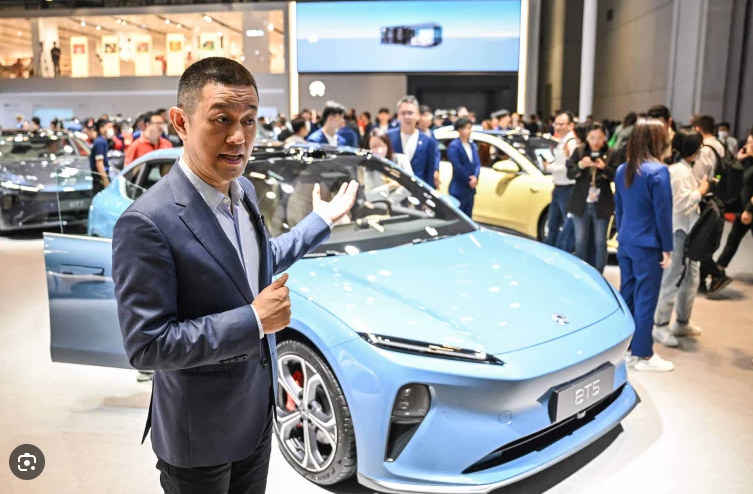
- Strategic Resilience: With a market penetration of over 40% for new cars, China is less susceptible to the “supply shocks” that are currently destabilizing Western economies. Every day the war continues, the economic case for switching to Chinese-made EVs strengthens globally, turning a regional crisis into a global sales pitch for Beijing.
In a Facebook post, Virak Ou, a Cambodian think tank, states that demand for electric vehicles will increase and China will benefit from it.

2. Trump’s “Fire and Fury” vs. China’s Market Capture
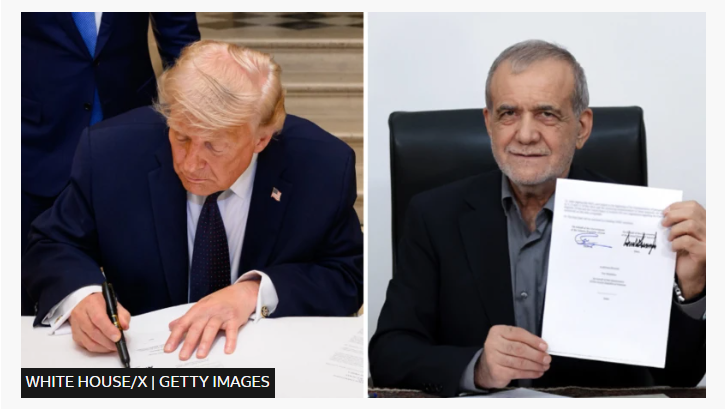
The geopolitical optics of the conflict have further isolated the West. President Donald Trump’s recent warnings of “death, fire, and fury” against the new Iranian leadership under Mojtaba Khamenei have heightened global anxiety. In contrast, China has maintained a policy of “strategic patience,” refusing U.S. demands to help police the Strait of Hormuz.
By remaining on the sidelines, China avoids the high costs of military intervention while its companies—such as BYD and Xiaomi—fill the void in Asian and European markets where consumers are fleeing high fuel costs. The war has effectively accelerated “Peak Oil,” bringing forward a transition that benefits China’s industrial base above all others.
3. The “Achilles’ Heel” of the West
The legal and diplomatic fallout has also played into Beijing’s hands. Swiss Defense Minister Martin Pfister recently labeled the U.S. and Israeli strikes “unlawful,” signaling a fracture in Western consensus. This diplomatic friction allows China to position itself as the “stable partner” for the Global South, offering technology and infrastructure without the baggage of military entanglements.
“Oil is the Achilles’ heel of the global economy,” notes a recent report from the Atlantic Council. “By dominating the supply chains for the alternative—lithium, batteries, and the EVs themselves—China has effectively built a firewall against the very volatility that currently plagues Washington.”
4. Risks and Realities: The Supply Chain Vulnerability
However, China’s “victory” is not without risk. A prolonged war threatens the supply of specific minerals, such as celestite, used in EV motors, of which Iran is a major supplier to China. Furthermore, a total collapse of the global maritime insurance market could still hinder China’s export-led economy.
The Winner by Default?
If “winning” a war is defined by the relative improvement of one’s strategic position, China is undoubtedly leading. While the U.S. spends its military and political capital to secure a 19th-century energy source (oil), China is cementing its 21st-century dominance through 20th-century industrial planning. The 2026 war may well be remembered not for the fall of a regime in Tehran, but for the final eclipse of oil-based geopolitics by the Chinese electric engine.