The geopolitical crisis in the Middle East has reached a harrowing inflection point today, March 22, 2026, as the “Operation Midnight Hammer” campaign enters its fourth week with threats of total infrastructure destruction and nuclear proliferation.
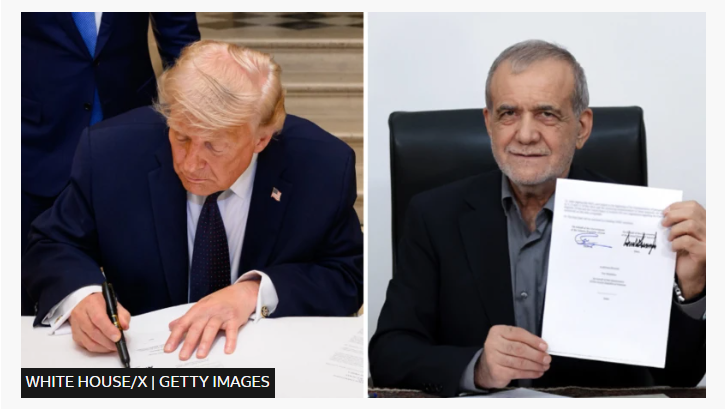
President Donald Trump, speaking from his Florida estate, escalated his rhetoric to a definitive 48-hour ultimatum, warning the Iranian regime that the United States will “obliterate” various power plants, starting with the biggest one first, if the Strait of Hormuz is not fully reopened to international shipping.
This demand comes as the global economy reels from a de facto blockade of the waterway, which usually handles a fifth of the world’s oil and liquefied natural gas, sending fuel prices skyrocketing and forcing nations like Sri Lanka to hike domestic fuel costs by 25% in a single day.
The tension intensified overnight following a massive Iranian ballistic missile barrage that struck the southern Israeli towns of Arad and Dimona, located dangerously close to the Shimon Peres Negev Nuclear Research Center. Medics reported that over 100 people were wounded in the strikes, which Iranian state media characterized as a direct response to earlier allied attacks on Iran’s nuclear enrichment facilities at Natanz and Bushehr.
The failure of Israeli air defense systems to intercept these projectiles has sparked a national inquiry, while the International Atomic Energy Agency (IAEA) continues to monitor the area for abnormal radiation levels. Simultaneously, Tehran demonstrated its evolving long-range capabilities by targeting the US-UK base at Diego Garcia in the Indian Ocean, marking the furthest attempted strike in the regime’s history and shattering the self-imposed 2,000-kilometer limit it had previously claimed to respect.
Amidst this military escalation, a startling report has emerged from former National Security Advisor John Bolton, who warned that the Iranian leadership may be only 72 hours away from finalizing a deal to purchase nuclear weaponry from North Korea. Bolton’s assertion points to a desperate “axis of proliferation” effort by Tehran to secure a strategic deterrent as its conventional forces are systematically degraded.
This claim aligns with reports from intelligence communities tracking high-value cargo movements between Pyongyang and Tehran, suggesting that the transaction could be in its final logistical phase.
The internal stability of Iran is further questioned as rumors persist that the newly appointed Supreme Leader, Mojtaba Khamenei, remains badly injured or incapacitated following the airstrikes that killed his father, leading to a power vacuum currently being filled by the most aggressive elements of the Islamic Revolutionary Guard Corps (IRGC).
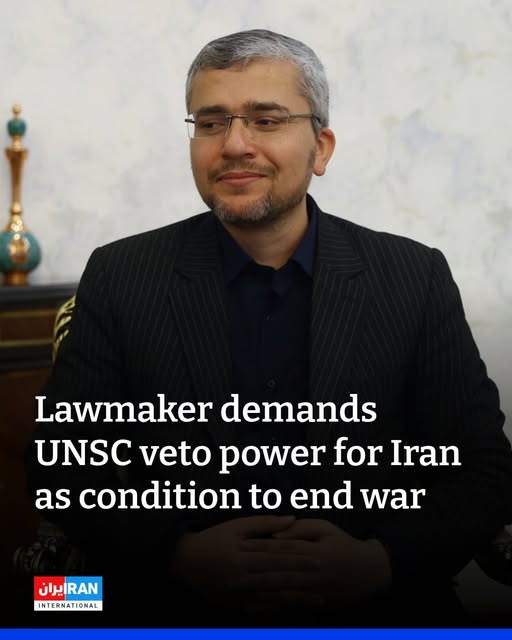
The diplomatic arena has become equally contentious, with Iranian lawmaker Ebrahim Rezaei now demanding that the Islamic Republic be granted a permanent seat and veto power on the UN Security Council as a non-negotiable condition for ending the conflict.
This demand has been met with cold rejection by Washington, even as international allies grow increasingly divided. Swiss Defense Minister Martin Pfister has publicly labeled the U.S. and Israeli strikes as violations of international law, warning that the disproportionate use of force risks triggering a global asymmetric war and a massive wave of refugees into Europe.
Switzerland has since closed its embassy in Tehran, joining over 20 nations in a joint statement that condemns Iran’s blockade but remains wary of a total regional collapse.
While the West grapples with military costs and $126-per-barrel oil, China continues to emerge as the structural beneficiary of the war. Beijing has officially rejected joining any U.S.-led “Hormuz Pact,” preferring to secure passage through bilateral diplomacy with Tehran to protect its energy flows.
Furthermore, the global energy shock is driving a massive pivot toward the Electric Vehicle (EV) industry, where Chinese firms like BYD are seeing a historic surge in orders across Asia as consumers flee from expensive fossil fuels. As the 48-hour clock on President Trump’s ultimatum begins to tick, the world remains on high alert, facing a choice between a de-escalated energy corridor or a nuclear-shadowed global conflagration.