The sentiment that Cambodia should allow Thailand to unilaterally scrap the Memorandum of Understanding (MOU) 2000 reflects a growing frustration with what is perceived as systematic bad-faith acting. From a legal and strategic standpoint, if Thailand chooses to abandon this framework while actively maintaining a military presence in disputed or Cambodian-recognized zones, it fundamentally shifts the nature of the conflict from a “managed dispute” to an “unregulated occupation.”
1. The Paradox of Illegal Occupation
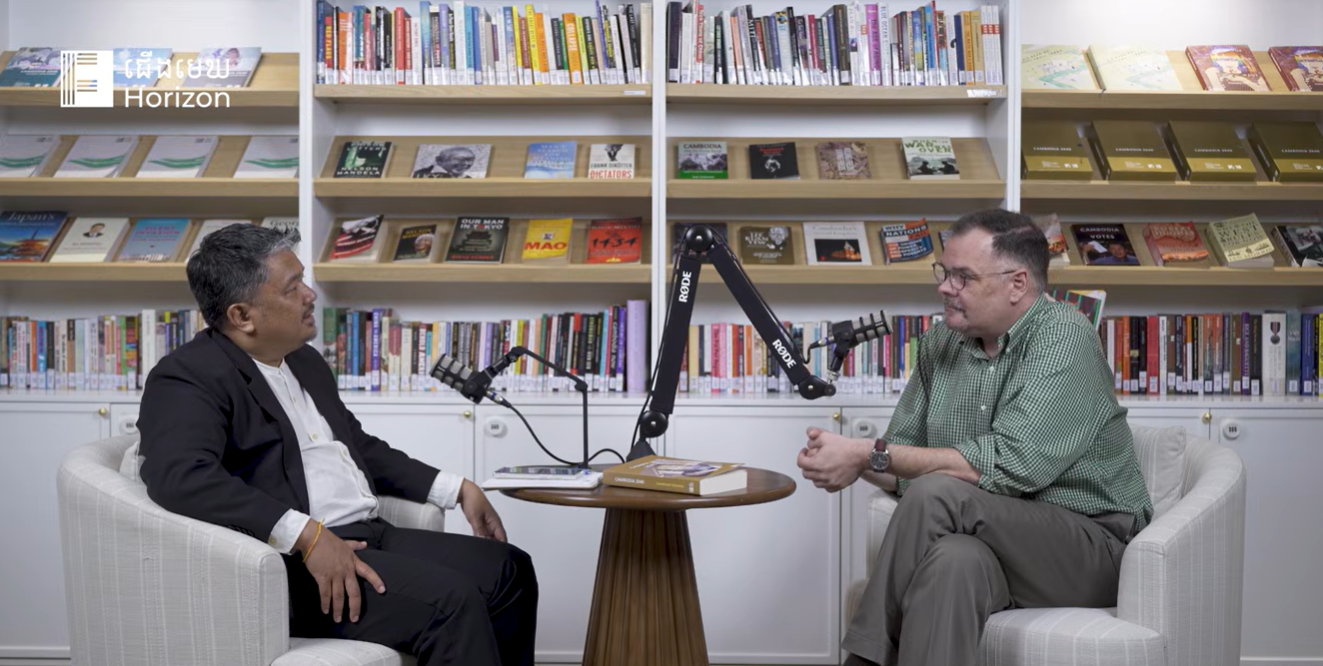
The primary irony, as noted in recent statements by experts like Chhang Youk, is the narrative flip where an occupying force claims a “preemptive” defense. If the Thai side moves to dissolve the MOU 2000, they essentially remove the very “buffer” that has prevented full-scale war for over two decades.
- The Legal Vacuum: Without the MOU, there is no agreed-upon mechanism for technical border demarcation.
- International Law: Scrapping a bilateral treaty does not grant legal title to occupied land. Under the UN Charter and the 1962 ICJ Ruling (Preah Vihear), sovereignty is not determined by unilateral withdrawal from negotiations.
2. Why Thailand Might Hesitate
While some hardline factions in Bangkok may call for the MOU’s dissolution, doing so is a double-edged sword:
- Admitting Fault: By leaving the MOU, Thailand would struggle to justify its military presence under international law, as the MOU is the only document that frames these areas as “disputed” rather than “occupied.”
- Regional Instability: ASEAN and the UN would view the move as an aggressive step toward regional destabilization, especially if it coincides with the deployment of troops near World Heritage sites.
3. The “Bully” Narrative
The current situation is increasingly described by analysts as a case of “the aggressor playing the victim.” If the MOU is deleted:
“It is the equivalent of an intruder breaking into a house and then calling the police to complain that the homeowner looks like they might try to push them out.” — Regional Security Analyst (Theoretical Perspective).
The Path Forward: Maturity vs. Escalation
Cambodia’s current stance—maintaining discipline and seeking peaceful resolution—places the “moral high ground” firmly in Phnom Penh’s hands. If the MOU is lost, the dispute moves from a bilateral technical discussion to a potential international legal battle at the International Court of Justice (ICJ) or a security issue for the UN Security Council.