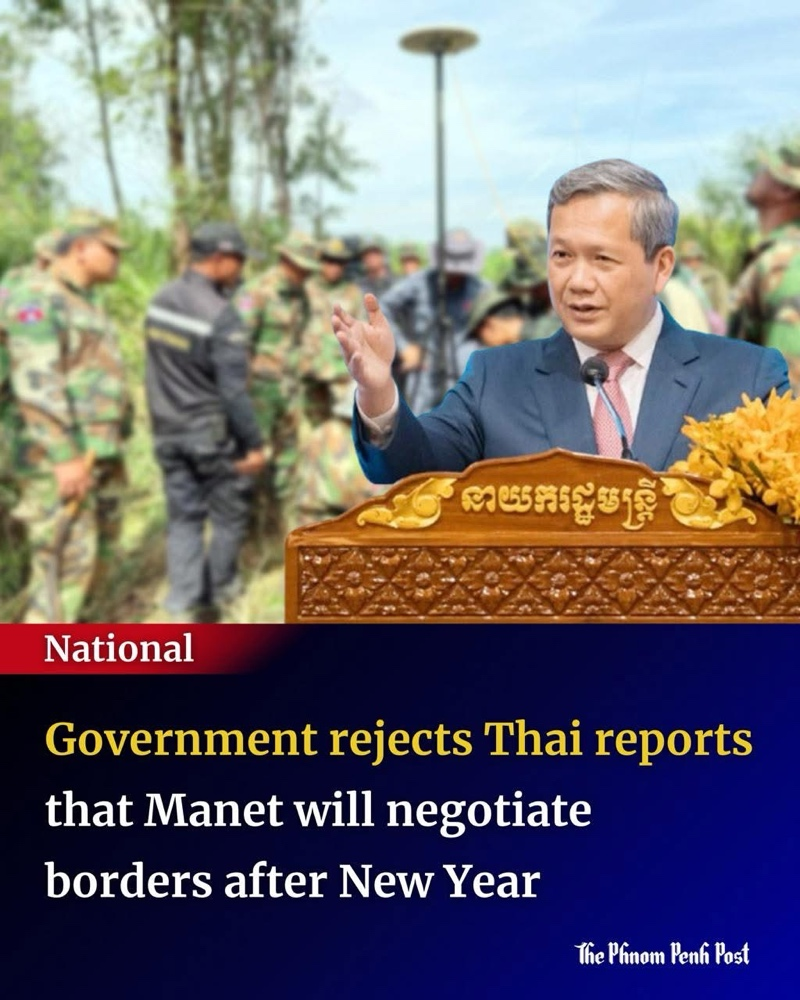
PHNOM PENH – The Royal Government of Cambodia has moved swiftly to dismiss reports circulating in Thai media which suggested that Prime Minister Hun Manet intended to wait until after the Khmer New Year celebrations to resume border negotiations with Thailand.
In a clarification issued Tuesday, government spokesperson Pen Bona stated that the Prime Minister never made such remarks on social media or in any official capacity. The confusion reportedly stems from statements by Thai Foreign Minister Sihasak Phuangketkeow, who claimed that Hun Manet had posted about holding talks on the “return of border areas” specifically after the April holiday.
Immediate Resumption Sought
Contrary to the reports of a delay, the Cambodian government emphasized that it is pushing for the Joint Boundary Commission (JBC) to resume work as soon as possible. According to the spokesperson, the State Secretariat of Border Affairs has already submitted five formal requests to the Thai side to dispatch joint survey teams for on-site measurements.
“The position of the Royal Government of Cambodia is clear: it strictly respects and implements the spirit of the Joint Statement of December 27, 2025,” Bona stated, referring to the ceasefire agreement that followed intense border skirmishes last year.
A Fragile Peace
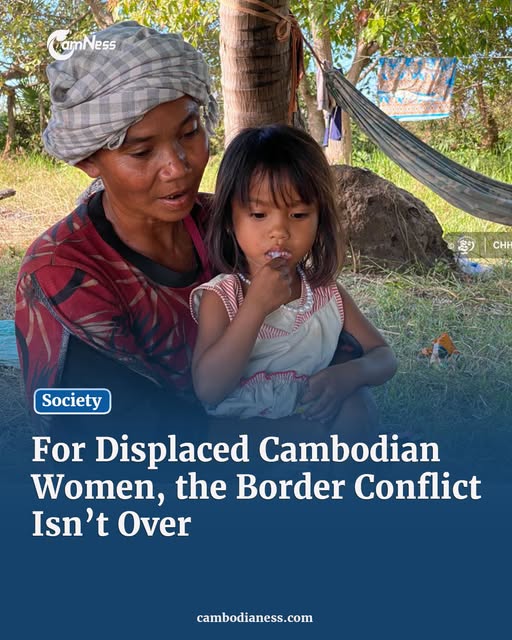
The border situation remains a point of high tension. While a ceasefire was brokered in late 2025, Prime Minister Hun Manet has recently raised concerns on the international stage, including during a visit to Washington, D.C. He accused Thai forces of continuing to occupy Cambodian territory and using shipping containers and barbed wire to prevent roughly 80,000 displaced Cambodians from returning to their homes.
Thai Response and Regional Context
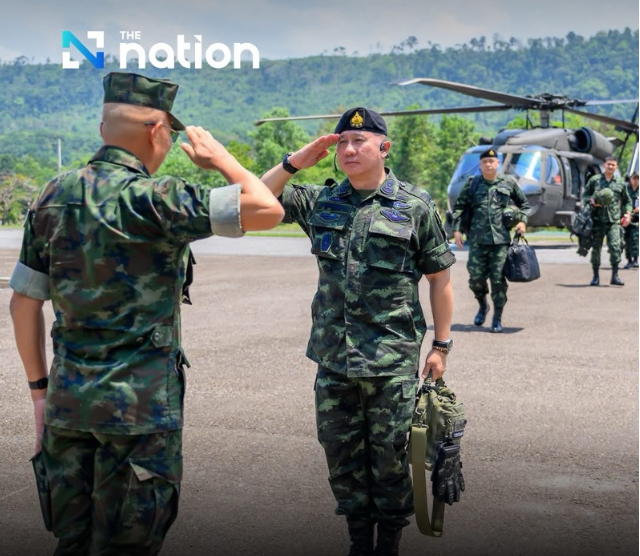
From the Thai perspective, officials have suggested that any formal JBC meetings must wait until a new Thai government is formed, likely in April. Thai military representatives have also pushed back against “misinformation,” maintaining that troops are stationed according to the “whoever is where, stays there” clause of the December agreement to prevent further clashes.
The ongoing dispute, which saw direct armed confrontation in July 2025, continues to impact local economies and regional stability within ASEAN. Cambodia maintains that technical mechanisms and international law—rather than military presence—are the only valid ways to resolve the centuries-old demarcation issues.