As of mid-March 2026, the effective closure of the Strait of Hormuz has transformed from a geopolitical threat into a domestic crisis for Cambodia. Unlike larger regional neighbors with significant strategic reserves, Cambodia’s status as a pure fossil fuel importer makes it uniquely vulnerable to the current $106-per-barrel reality.
Price Surges and Market Paralysis
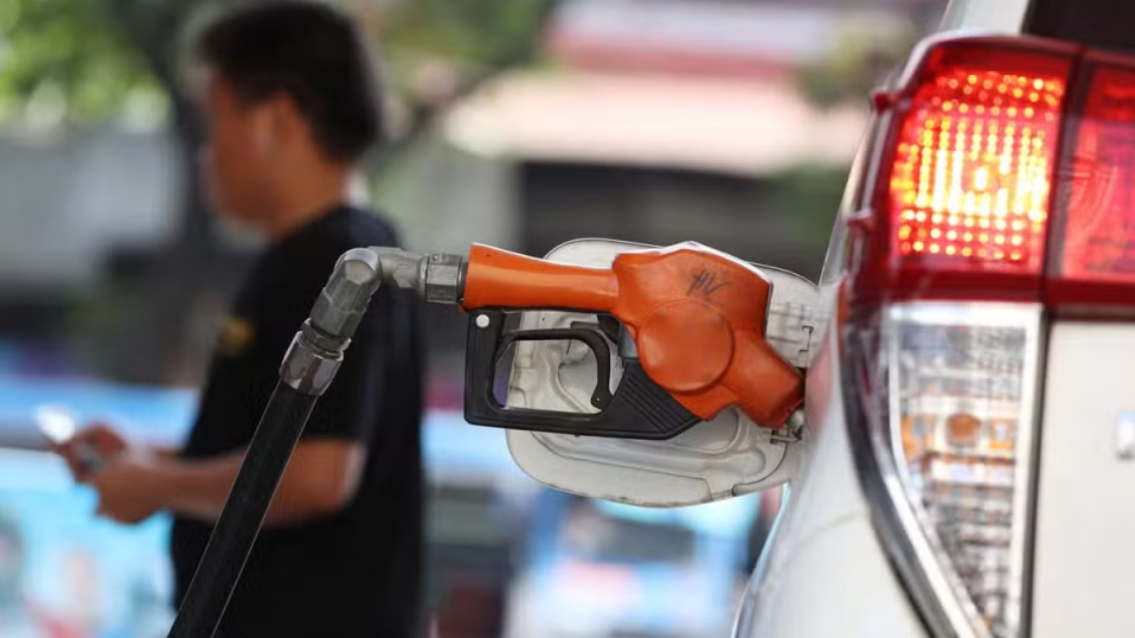
Domestic gasoline prices in Cambodia have surged to 4,350 riel per liter, a 13% increase in just two weeks. The impact on the ground is stark:
- Station Closures: The Ministry of Commerce reported last week that more than 400 fuel stations and depots have suspended operations as new imports are delayed or redirected.
- The “Khmer New Year” Risk: With the April holidays approaching, analysts warn that the spike in transport costs—estimated at an additional 500 riel per liter—will severely dampen domestic tourism and rural consumption, which are vital for the Q2 economic outlook.
- Fiscal Strain: The government spent nearly $2.4 billion on fuel imports in 2025. With the current disruption, that bill is projected to balloon, potentially forcing the redirection of funds from social infrastructure to emergency fuel subsidies.
The APSA Lifeline
To prevent total paralysis, Cambodia is looking toward the ASEAN Petroleum Security Agreement (APSA). During the ASEAN Economic Ministers’ Retreat in Taguig (March 13), members agreed to expedite an emergency sharing mechanism. This allows a “distressed” member to request up to 10% of its domestic requirement from neighbors at market rates, though even this “voluntary and commercial” assistance is limited by existing long-term contracts held by exporters like Malaysia and Indonesia.
ASEAN Power Grid (APG): Status and Strategic Pivot
The current war in the Middle East has provided the “final push” for the long-stalled ASEAN Power Grid. The goal has shifted from simple energy trading to a survival-based regional “energy shield.”
2026 Status and Negotiations
- The Manila Rounds (March 8–10, 2026): Negotiators at the 18th Meeting of the ASEAN Digital Economy Framework Agreement (DEFA) in Manila have formally integrated provisions for subsea telecommunications and power cable cooperation. This recognizes that the APG and the region’s digital future are physically linked.
- Financing Milestone: The IEA recently released the Financing the ASEAN Power Grid 2026 report, which outlines a “step-change in investment” required over the next 15 years. A key breakthrough in early 2026 is the proposed APG Financing Facility, designed to pool regional capital to de-risk cross-border transmission projects.
- The 2045 Vision: The Philippines’ Chairmanship is pushing for a “Submarine Power Cable Framework” to be signed at the May Summit. This would streamline the legal and technical hurdles that have delayed the integration of the Lao PDR-Thailand-Malaysia-Singapore (LTMS) project into a broader, bloc-wide grid.
The Transition to Renewables
The closure of the Strait of Hormuz has accelerated interest in Civilian Nuclear Energy and expanded renewable interconnectivity. By connecting the hydro-rich Greater Mekong Subregion (Cambodia, Laos, Vietnam) to the high-demand centers of Indonesia and Singapore, ASEAN aims to reduce its reliance on the 84% of Middle Eastern crude that currently transits the Hormuz chokepoint.