
Thailand
-
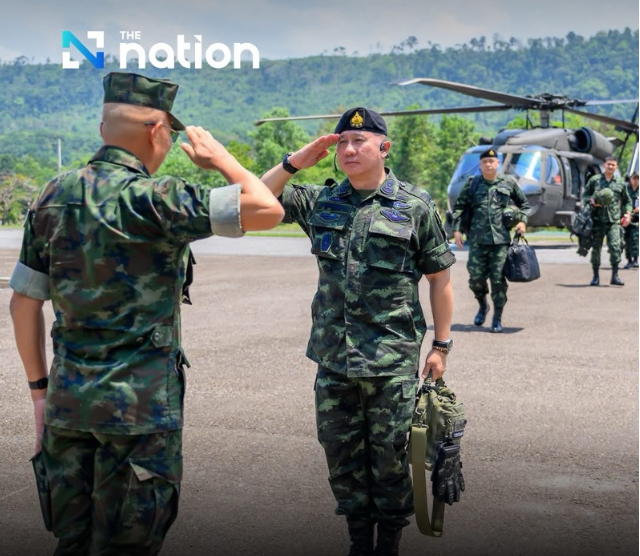
The Bully Playing the Victim
Chhang Youk’s March 2026 critique of Thai military intelligence claims regarding border tensions and alleged illegal land occupation.
-
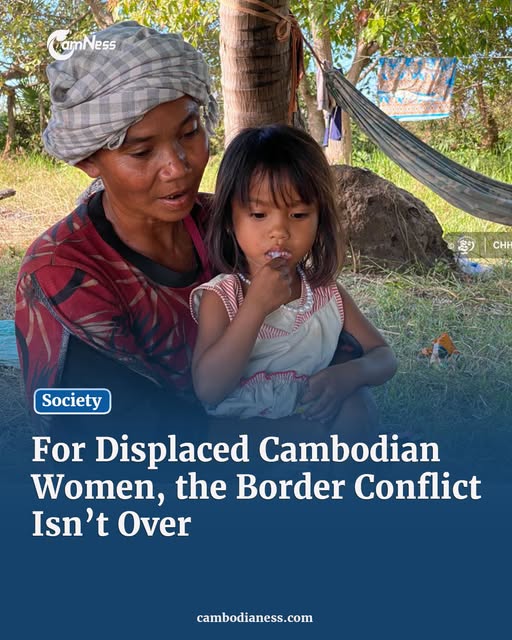
The Precipice of Conflict: How Persistent Thai Territorial Encroachment Threatens a Third Armed Clash with Cambodia
Cambodia has formally protested Thai military “acts of bad faith” that violate a 2025 ceasefire, as Thai intelligence officials warn that continued territorial encroachment could trigger a third armed clash.
-
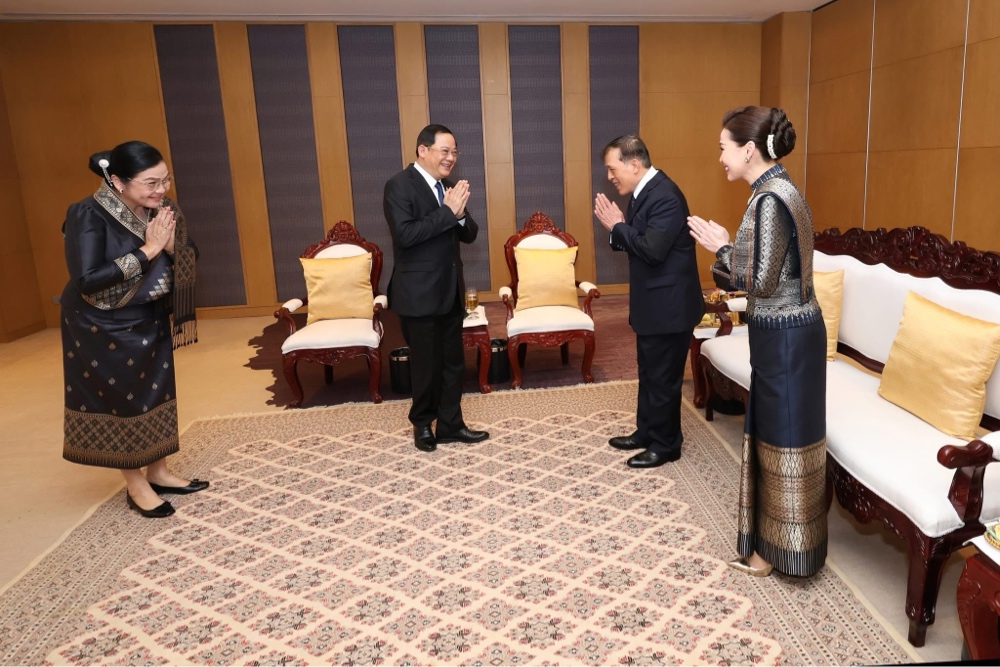
The Weight of Sin and the Grace of Dying: Strategic Diplomacy Amidst Regional Strife
Analysis of the Thai King’s visit to Laos against the backdrop of the Thai-Cambodian border conflict and the ongoing displacement of 46,000 civilians.
-
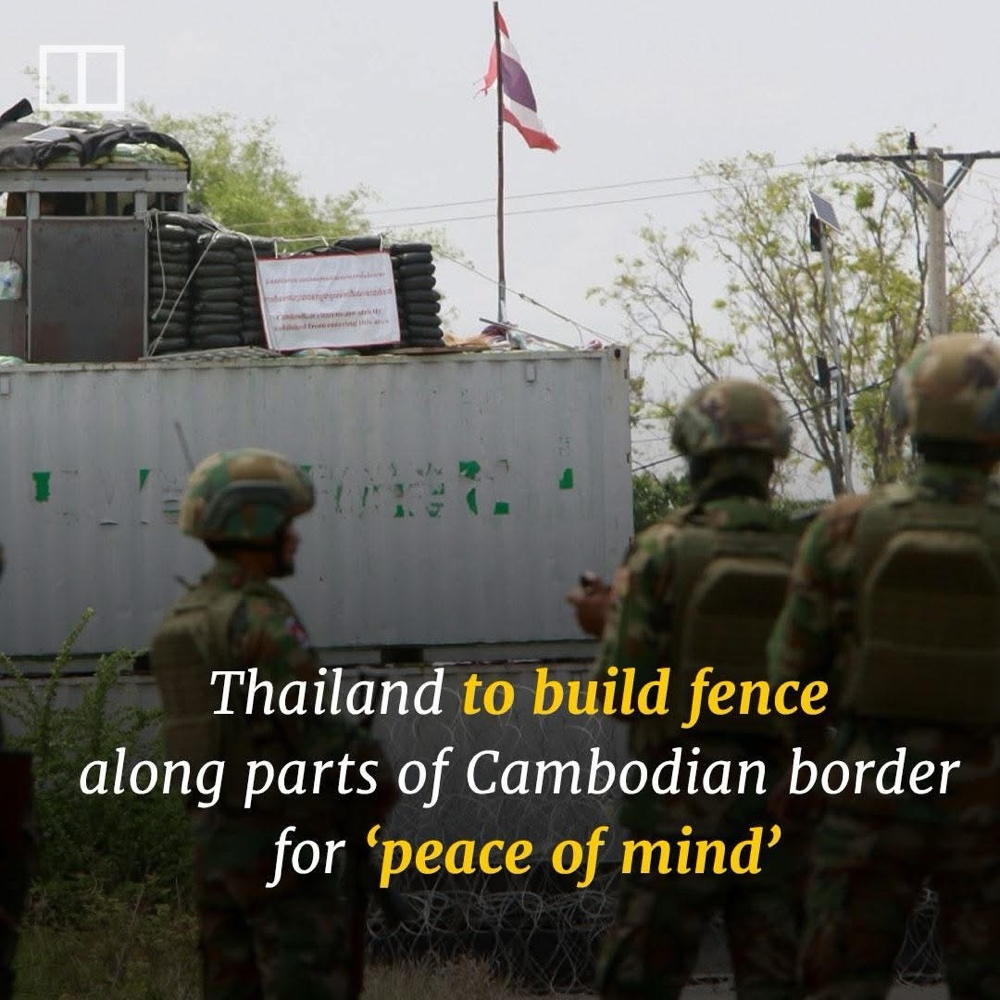
Thai Border Games: Cambodia Denounces Illegal Construction and Tactical Delays as Nationalist Ploy
Cambodia condemns Thailand’s illegal border construction and disinformation, accusing the Thai military of fueling conflict for domestic political gains.
-

The Weight of Sin and the Grace of Dying: A Deep Dive into Bangkok’s Death Fest
The “Death Fest” in Bangkok is being analyzed not just as a cultural event, but as a collective psychological response to the guilt and “bad karma” accumulated from the 2025 border conflict, as citizens seek spiritual cleansing for the state’s aggressive actions against Cambodia.
-
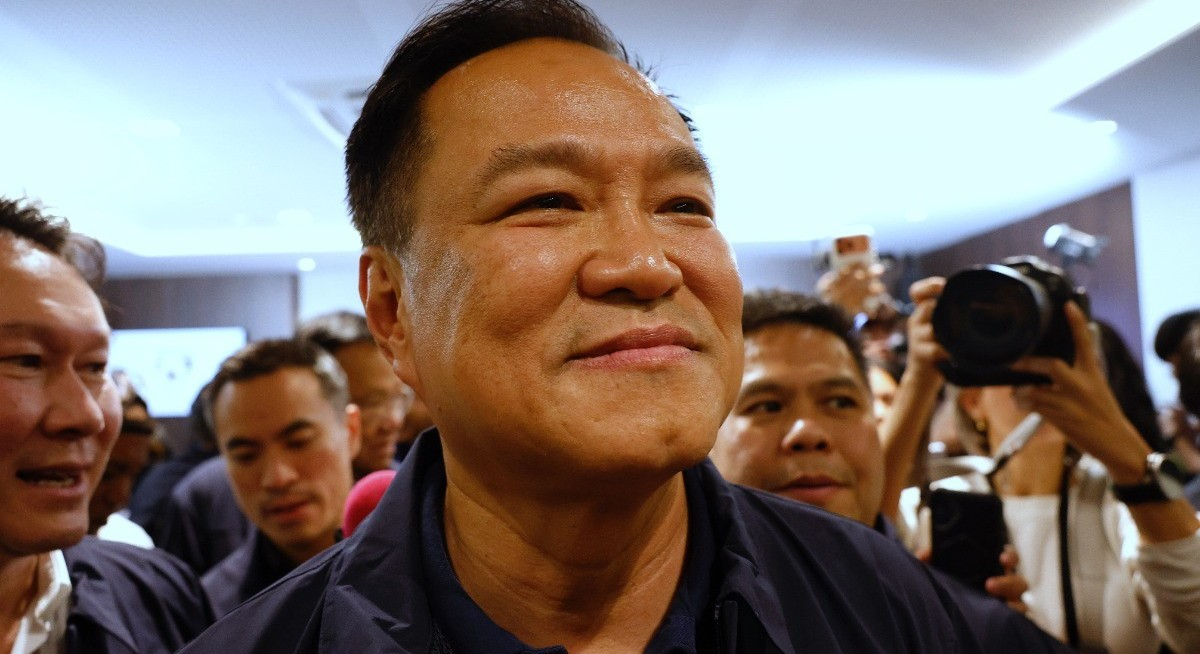
The “Blue Wave” and the Border: Thailand’s New Nationalist Mandate
Following his 15-party coalition victory, Thai PM Anutin Charnvirakul has shifted from election rhetoric to a “Sovereignty-First” policy, resulting in a tense stalemate with Cambodia marked by border “hardening” and the collapse of long-standing diplomatic backchannels.
-
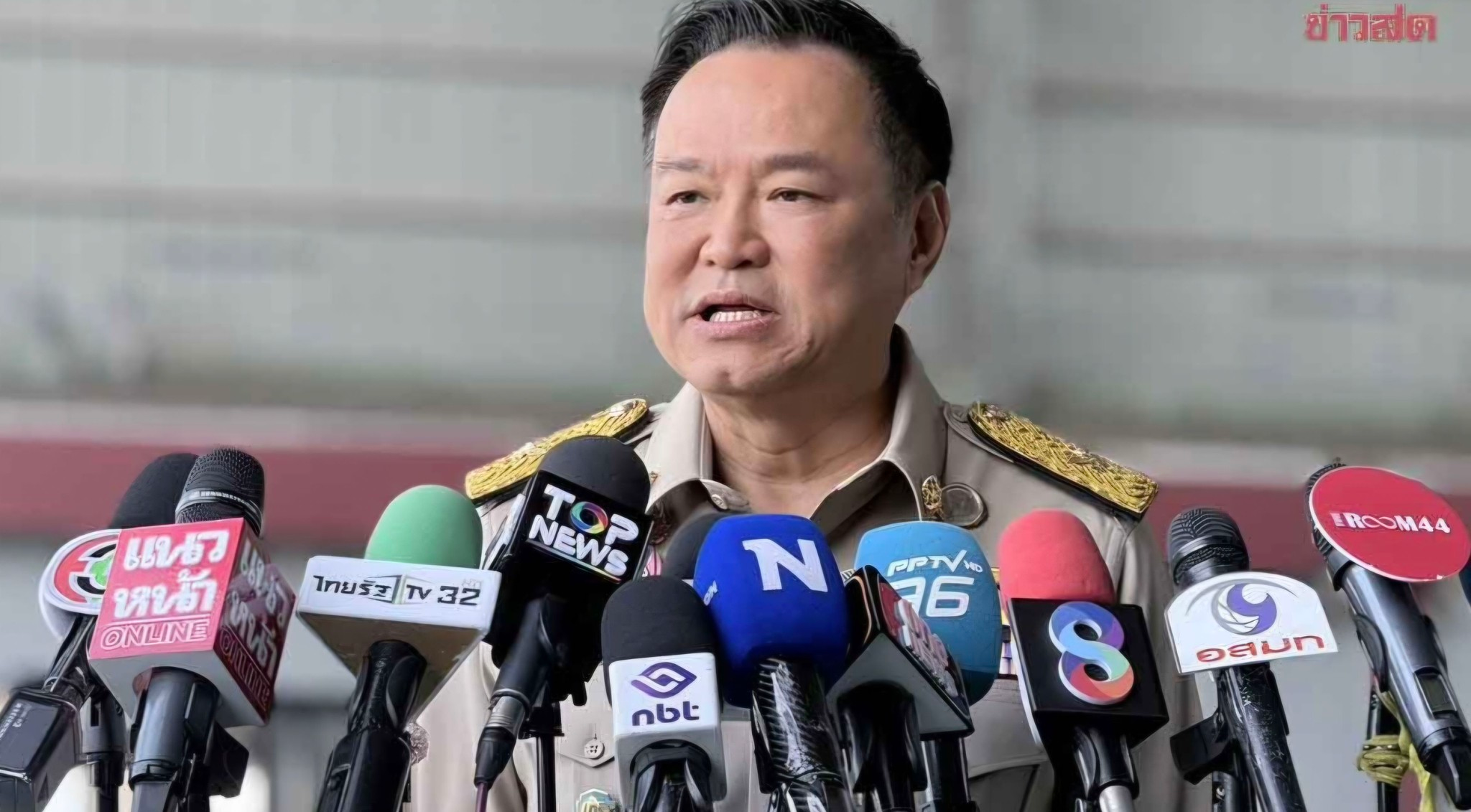
Diplomatic Friction Persists: Cambodia Accuses Thailand of “Bad Faith” Despite Ceasefire Progress
PHNOM PENH, March 8, 2026 — As Thailand’s newly elected government under Prime Minister Anutin Charnvirakul reinforces its nationalist border policies, the Ministry of Interior of the Royal Government of Cambodia has issued a formal press release detailing the ongoing humanitarian crisis and diplomatic “bad faith” following the December 2025 ceasefire. Despite the absence of…
-
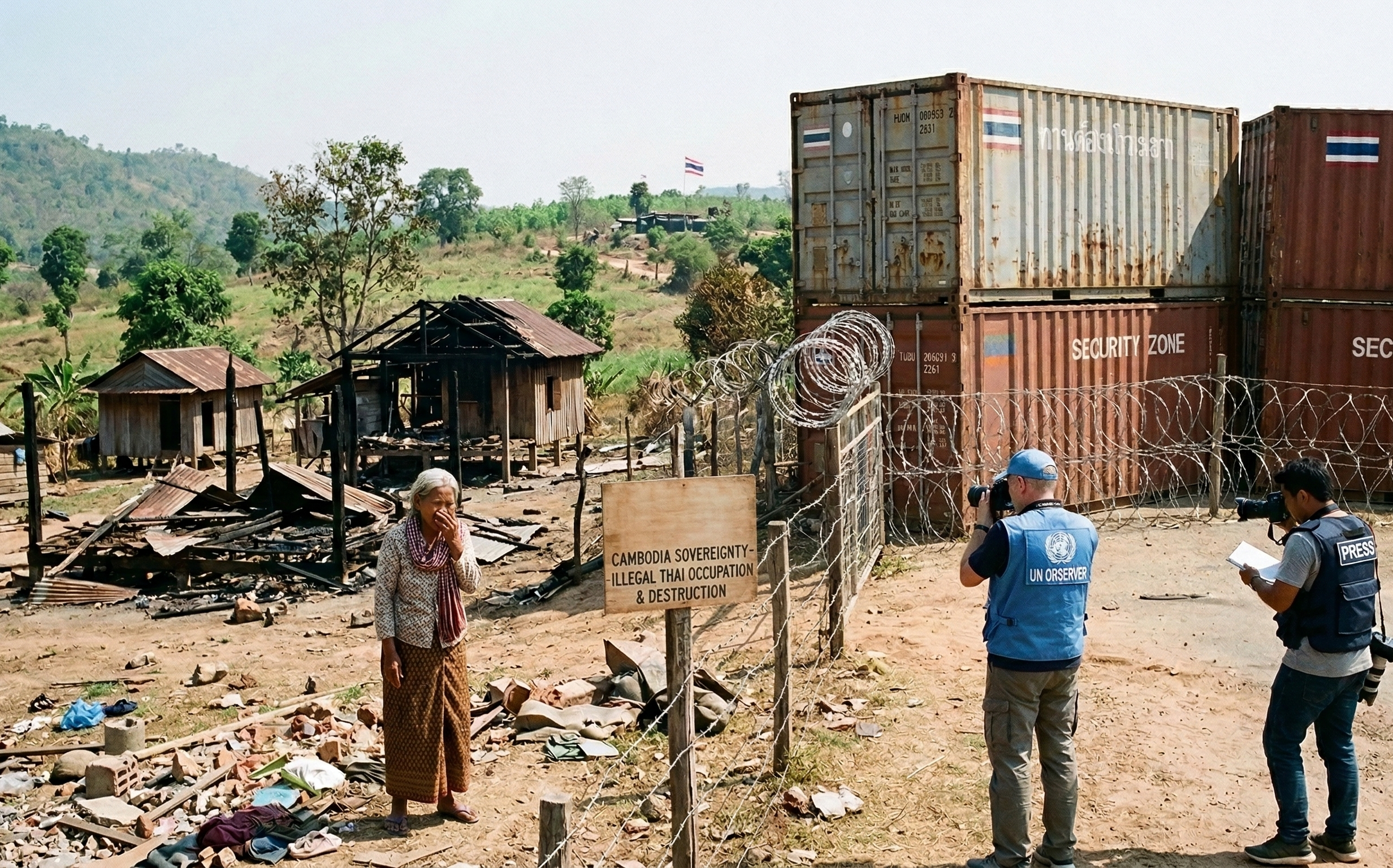
How Thailand’s actions are being evaluated through the lens of international law
The border dispute between Cambodia and Thailand has reached a critical juncture in early 2026, as allegations of territorial encroachment and human rights violations have surfaced following the late-2025 military standoffs. Central to the escalating tension is the deployment of shipping containers, the installation of barbed wire fences, and the reported destruction of civilian property…
-
When Does Military Presence Become Occupation?
TL;DR: Shipping containers. Barbed wire. A Thai flag flying over a blocked road inside Cambodia. Sixty-five thousand civilians who can’t go home. At what point does a military position become an occupation? International law has an answer. Nobody is asking the question. When Does Military Presence Become Occupation? Border conflicts usually begin with arguments about…
-

The Ballot and the Border: Anutin’s Win and the “Wall” of Nationalism
Can Anutin pivot from a “wartime leader” to a regional diplomat, or will the “wall” he promised become a permanent fixture of Southeast Asian geopolitics?