
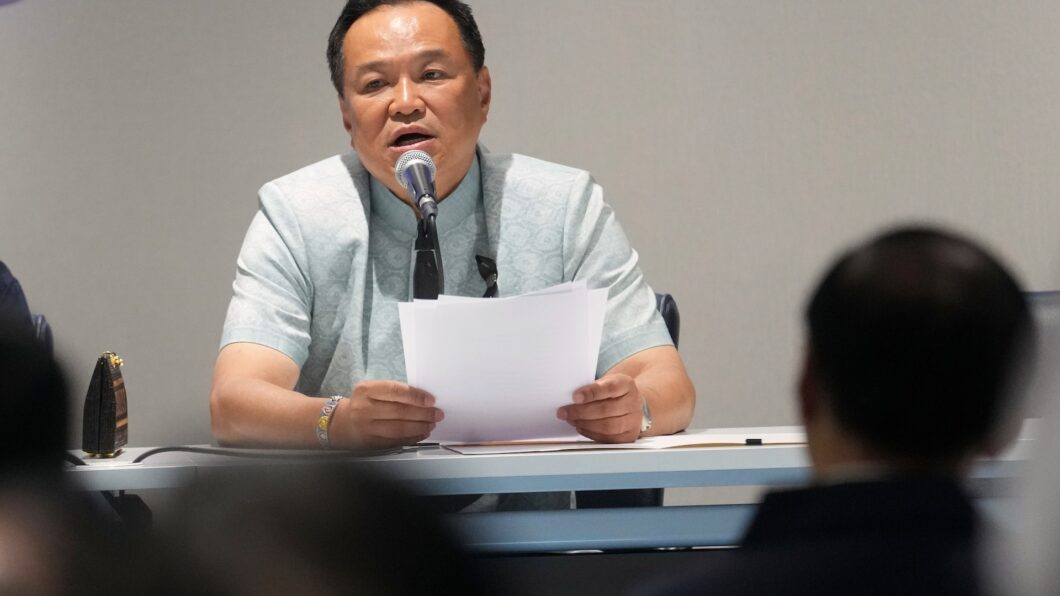
PHNOM PENH / BANGKOK — Following the decisive victory of the Bhumjaithai Party in Thailand’s February 2026 general election, the diplomatic landscape between Cambodia and Thailand enters a period of profound uncertainty. Prime Minister Anutin Charnvirakul’s ascent to a full four-year term, backed by a nationalist mandate, suggests a shift toward a more assertive foreign policy that prioritizes territorial sovereignty over traditional bilateral compromises.
The Electoral Catalyst
The February 8 polls delivered an unexpected 193 seats to the Bhumjaithai Party, positioning Anutin as the central figure in a new conservative coalition. This victory was largely fueled by a surge in nationalist sentiment following the 2025 border crisis, which saw the most intense military engagements since the 2011 Preah Vihear dispute. Observers note that the electorate’s preference for “security and stability” has provided the administration with significant leverage to pursue a hardline agenda.
Strategic Policy Revisions
Central to the new government’s platform is the proposed termination of the 2001 Memorandum of Understanding (MOU) regarding the Overlapping Claims Area (OCA) in the Gulf of Thailand. Prime Minister Anutin has asserted that any future negotiations must reject the “50/50 interest-sharing” model of previous administrations, citing the need to protect Thai sovereignty over areas surrounding Koh Kut.
Furthermore, the administration has signaled a commitment to maintaining strict border closures until “sovereignty situations are unsettled.” This includes the potential deployment of naval “coercive measures” to pressure Phnom Penh into new delimitation agreements, a move that could disrupt the vital Southern Economic Corridor (SEC).
The Path Toward De-escalation
While the rhetoric remains firm, diplomatic channels offer a potential, albeit narrow, path forward. Analysts from the Cambodian Centre for Regional Studies (CCRS) emphasize that both nations would benefit from a transition toward “institutionalized diplomacy.” By empowering the Joint Boundary Commission (JBC) and utilizing multilateral frameworks such as ASEAN mediation, both Bangkok and Phnom Penh could decouple economic necessities from territorial disputes.
The challenge for the Anutin administration will be balancing its domestic “war footing” narrative with the economic reality of cross-border trade, which has seen monthly losses estimated at 16.26 billion baht during periods of closure. As Cambodia under Prime Minister Hun Manet maintains a stance of “serene vigilance,” the international community watches closely to see if the two neighbors can return to a status of “permanent friends and partners” or if the “volatile winds of nationalism” will continue to dictate the regional temperature.
The key developments concerning the Thai general election and the escalating tensions with Cambodia as of March 6, 2026:
Political Developments in Thailand
- Official Certification of Victory: On March 4, the Election Commission officially certified the results of the February 8 polls. Anutin Charnvirakul’s Bhumjaithai Party emerged as the largest bloc with 191–193 seats, a historic win for the conservative camp.
- Coalition Formation: A 15-day countdown has begun to convene the legislature. Anutin is expected to secure approximately 290 votes in the 500-member House to remain Prime Minister, leading a coalition that includes his former rivals, the Pheu Thai Party.
- Mandate of Nationalism: Analysts note that the “upset” victory was driven by a surge in nationalist sentiment following 2025 border skirmishes, effectively sidelining the reformist People’s Party despite their lead in national party-list votes.
Escalation of the Cambodian-Thai Conflict
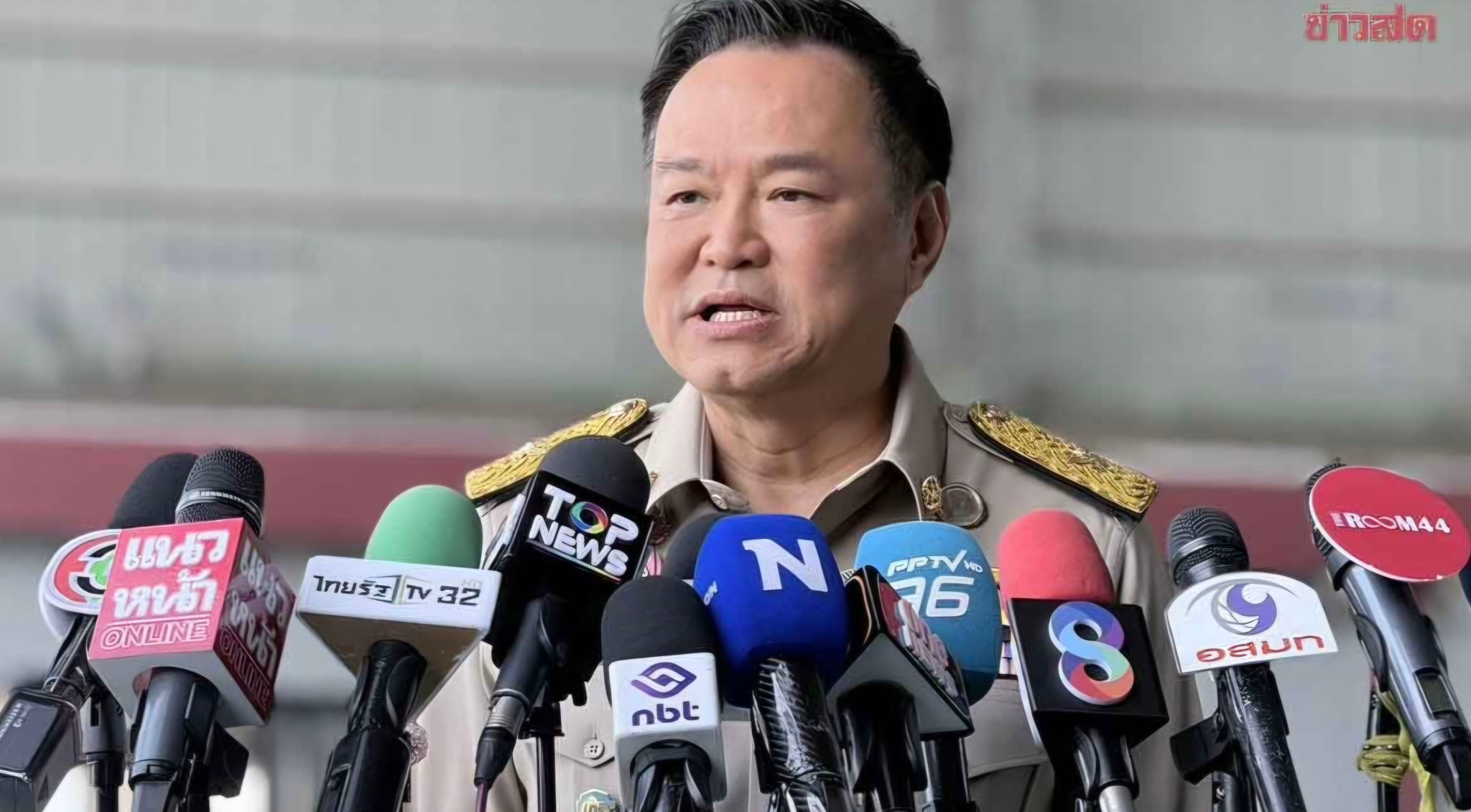
- “No Retreat” Border Policy: Prime Minister Anutin recently declared a policy of “No retreat, no dismantling, no opening of borders,” signaling a firm refusal to de-escalate until territorial threats are neutralized.
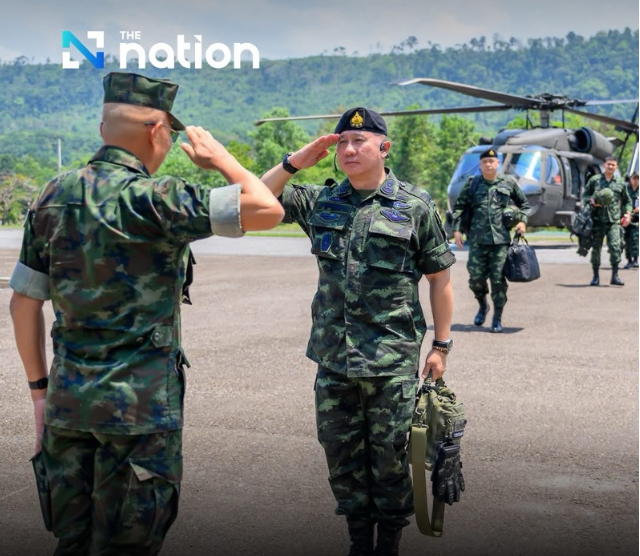
- Hardline Security Measures: The Thai government has confirmed it will proceed with the construction of a border fence/wall and has bolstered military deployments and weaponry along disputed zones.
- Termination of Agreements: Anutin has moved to cancel MOU 44 (concerning maritime claims) and is reviewing MOU 43, asserting that these agreements must be adjusted to reflect “new realities” of Thai sovereignty.
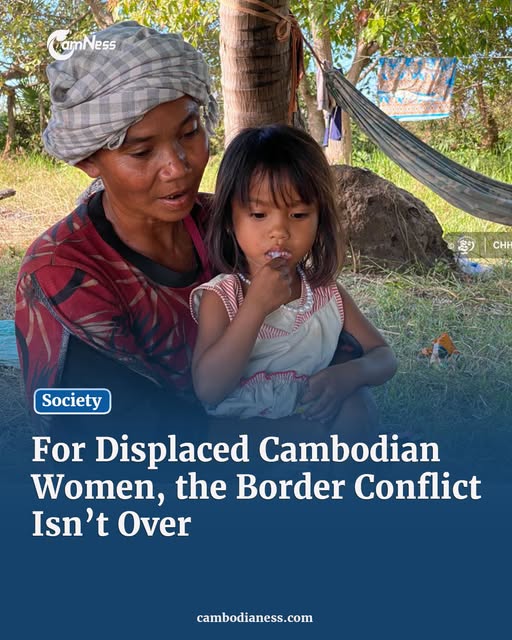
- Humanitarian Concerns: On March 6, reports emerged of villagers in Cambodia holding funerals for wildlife (including elephants) killed by Thai military shelling, while foreign military attachés from 12 countries visited displacement camps in Banteay Meanchey to inspect the impact of the aggression.
Economic and Regional Impact
- Trade Disruptions: The ongoing border closure is causing significant economic strain, with estimated cross-border trade losses reaching hundreds of millions of dollars.
- Labor Market Shifts: Despite tensions, the Thai National Security Council confirmed it will extend work permits for 100,000 Cambodian workers until March 2027 to prevent a domestic labor shortage.
- Regional Diplomacy: Cambodia has sought support from Vietnam and ASEAN to mediate the crisis, while Thailand maintains that the dispute should be handled via a “firm but responsible” bilateral approach.
More reading:
- Bhumjaithai’s election victory could be ominous for Thai-Cambodian ties – Thai PBS World
- Anutin’s victory gives the green light for grey capital in Thailand – East Asia Forum
- Will Thailand’s New Government Change Its Relationship with Cambodia? – Kiripost
- Cambodia-Thailand: What prospects with Anutin Charnvirakul’s rise to power? – Cambodge Mag
- 2025 Cambodian–Thai border crisis – Wikipedia

Leave a Reply