
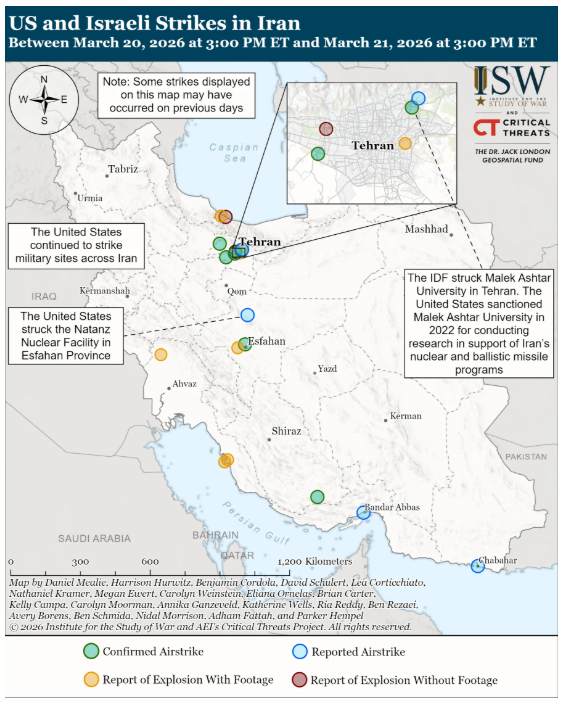
As of March 22, 2026, the geopolitical map of the Middle East has been fundamentally redrawn by a three-week campaign that began with the decapitation of the Iranian leadership. The current map illustrates a systematic degradation of Iran’s “strategic depth,” with high-intensity strikes concentrated on the Malek Ashtar University in Tehran—a primary hub for nuclear component R&D—and the Natanz Uranium Enrichment Complex. These strikes represent a shift from containment to what many analysts call “preventive neutralization.”
The “Obliteration” Ultimatum and the Energy Chokehold
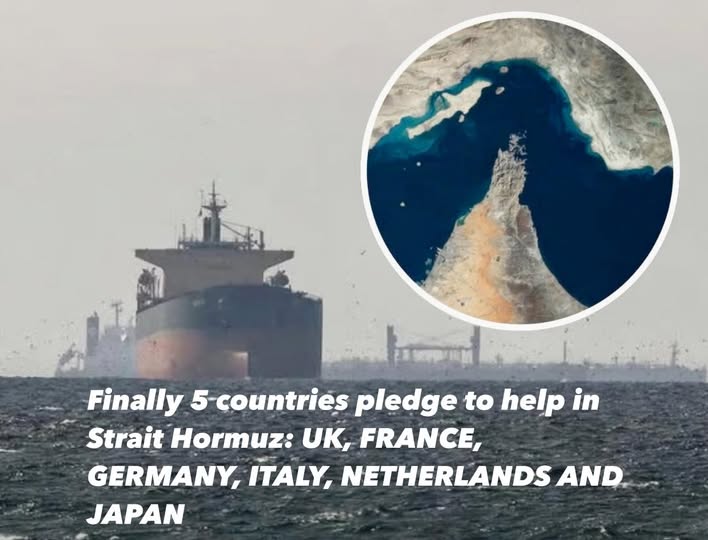
The conflict reached a fever pitch this morning when President Donald Trump issued a 48-hour ultimatum on Truth Social, demanding the total reopening of the Strait of Hormuz. Trump warned that if the waterway remains obstructed, the U.S. will “hit and obliterate their various POWER PLANTS, starting with the biggest one first.” This escalation follows an Iranian drone and missile blockade that has crippled regional shipping, leaving the global oil market in a state of “fossil fuel fragility.”
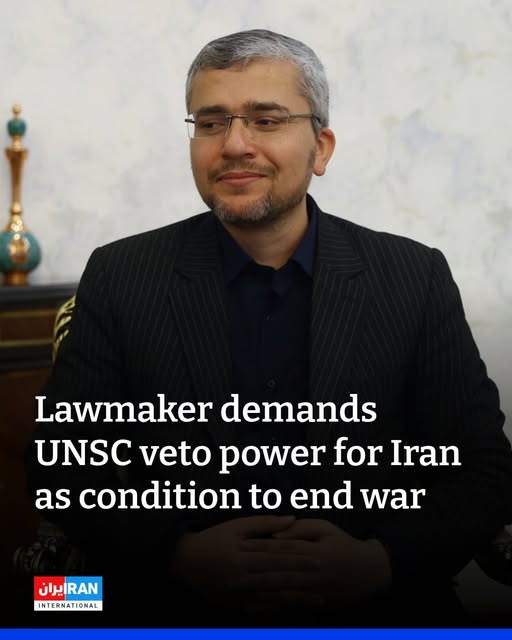
Tehran’s response has been equally defiant. Ebrahim Rezaei, spokesman for the Iranian parliament’s National Security Committee, has set a stunning condition for de-escalation: a permanent seat and veto power for the Islamic Republic on the UN Security Council. This diplomatic gambit, while viewed as a non-starter in Washington, signals that the regime—now under the shadowy leadership of Mojtaba Khamenei—is prepared to leverage global energy stability for ultimate political legitimacy.
The Dimona Retaliation and the Swiss Dissent
The military reality on the ground turned significantly darker overnight. Iranian ballistic missiles breached Israeli defenses to strike near the Shimon Peres Negev Nuclear Research Center (Dimona), wounding over 100 people and shattering the “invincibility” of the Iron Dome. This “eye-for-an-eye” strategy against nuclear sites has alarmed European partners. Martin Pfister, the Swiss Defense Minister, broke with Western consensus by declaring the U.S. and Israeli strikes “unlawful violations of international law.” Pfister warned that these actions risk triggering a massive “refugee wave” and asymmetric “terrorist attacks” across Europe, highlighting a growing rift in the Allied coalition.
The Structural Winner: China’s EV Shield
While the U.S. and Israel bear the high financial and political costs of war, China is emerging as the conflict’s primary beneficiary. With oil prices peaking at $126 per barrel, the global transition to sustainable energy has been accelerated by a decade. Daan Walter, an analyst at Ember, describes this as “Asia’s Ukraine moment,” noting that China’s dominance in the Electric Vehicle (EV) market provides it with a “strategic immunity” to Middle Eastern oil shocks.
Leave a Reply