
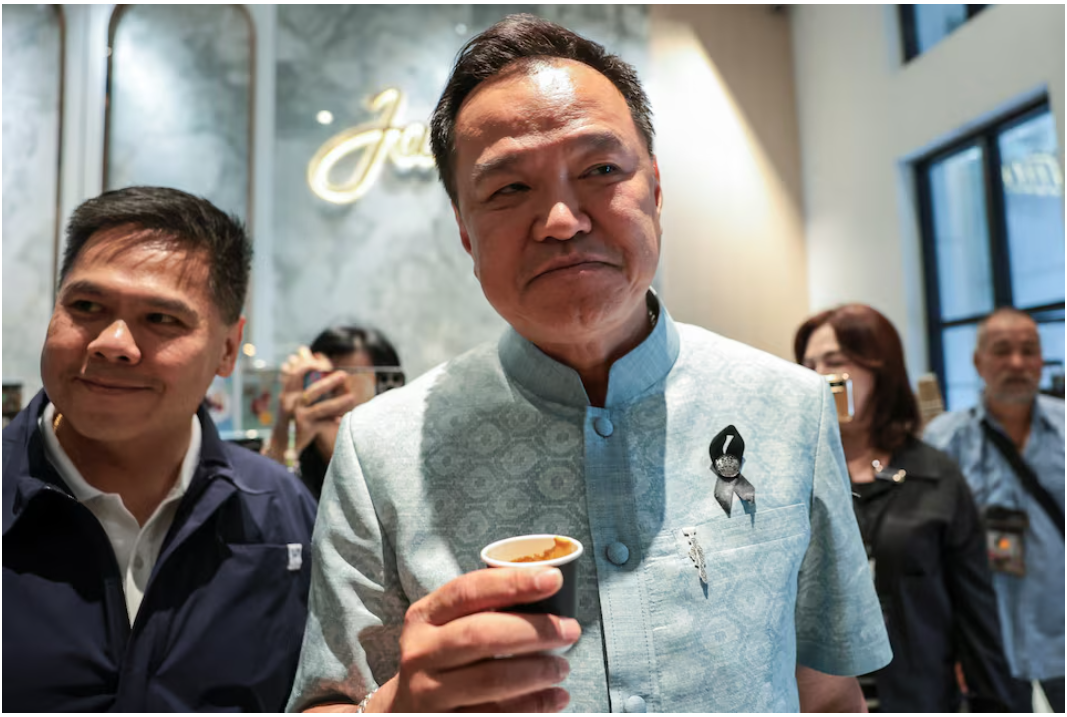
The dust has settled on Thailand’s February 8 general election, and the result is nothing short of a seismic shift. Against all polling data that suggested a progressive wave, Anutin Charnvirakul’s Bhumjaithai Party secured a dominant victory, effectively turning a “security-first” campaign into a four-year governing mandate. But for those watching the smoldering front lines in the northwest, the victory party in Bangkok feels like a drumbeat for further escalation.
A Victory Built on “War Footing”
Anutin didn’t just win on economic stability; he won on the Emerald Triangle. By capitalizing on the 2025 border crisis—which saw over 490,000 people displaced and dozens of casualties—Anutin successfully framed the reformist opposition as “soft on sovereignty.” His campaign rhetoric, which famously included a vow to build a permanent border wall and scrap “outdated” maritime MOUs, resonated with an electorate weary of perceived territorial encroachments.
The Death of Personal Diplomacy
For years, the “Thaksin-Hun family” connection acted as a backchannel safety valve for Thai-Cambodian relations. That era is officially over. Following the disqualification of Paetongtarn Shinawatra over her leaked “Uncle Hun Sen” phone call, the new administration has replaced familial ties with state-centric hawkishness. Anutin’s “No Retreat” policy isn’t just a slogan; it’s a structural pivot. By reviewing MOU 44 and reinforcing artillery positions, Bangkok is signaling that the era of “quiet compromise” is dead.
The Humanitarian Cost of Hawkishness
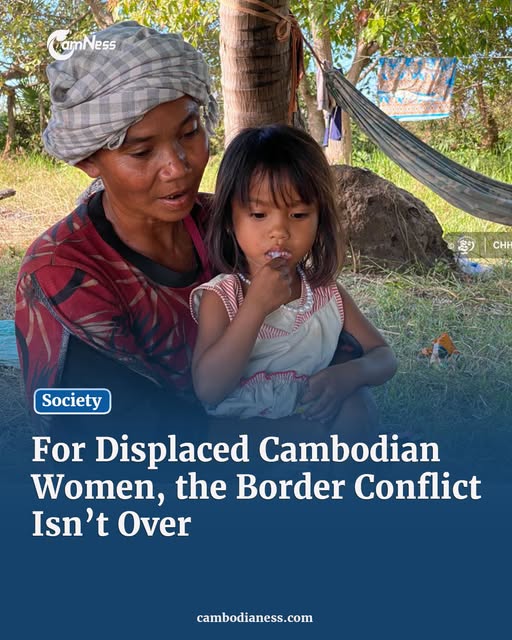
While the markets in Bangkok have responded positively to the prospect of a stable conservative coalition, the reality at the border is grim. Trade remains stalled, and despite the December ceasefire, the air remains thick with the threat of renewed shelling. With 100,000 Cambodian migrant permits extended out of sheer economic necessity, we are witnessing a strange paradox: a government that is militarily hostile toward its neighbor while remaining economically tethered to its workforce.
As the new parliament prepares to convene, the question remains: Can Anutin pivot from a “wartime leader” to a regional diplomat, or will the “wall” he promised become a permanent fixture of Southeast Asian geopolitics?
Leave a Reply