
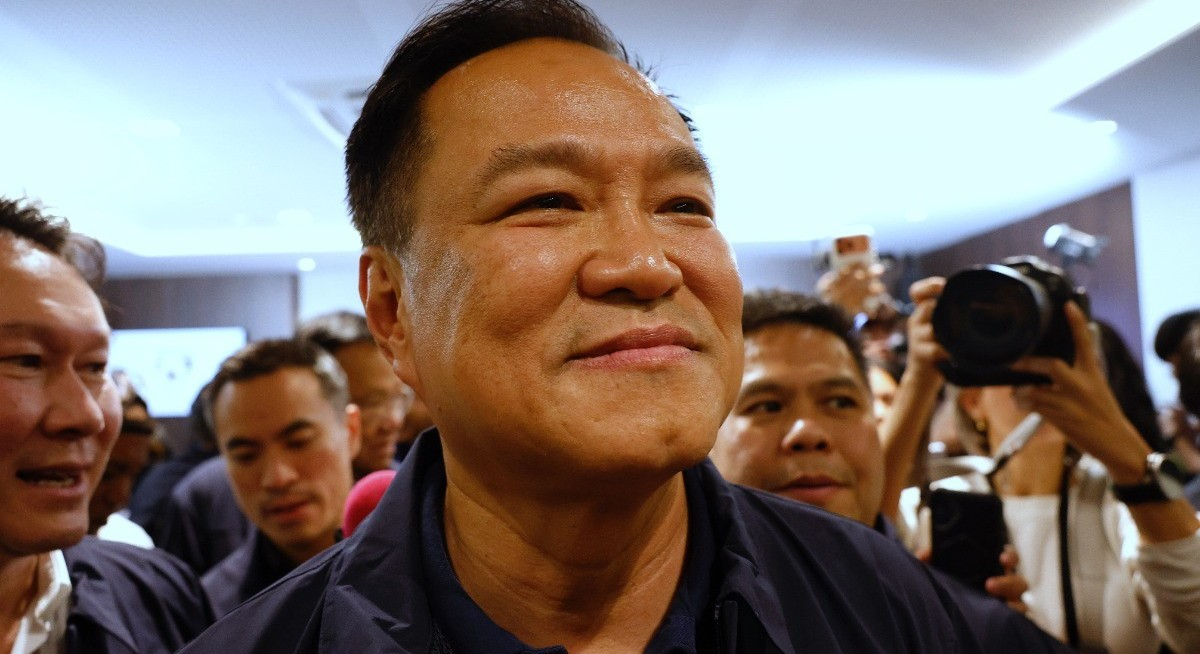
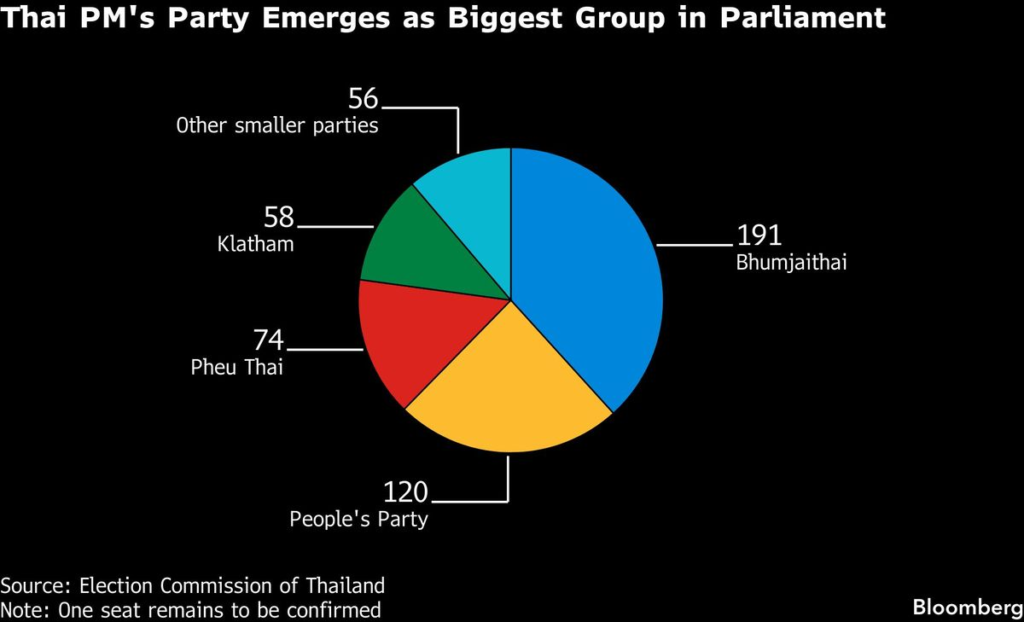
BANGKOK — One month after the historic February 8 general election, Prime Minister Anutin Charnvirakul has successfully consolidated a 15-party “Blue Wave” coalition, signaling a decisive end to the era of flexible diplomacy with Cambodia. With 193 seats held by his Bhumjaithai Party, Anutin has transitioned from a populist campaigner to a “wartime” administrator, prioritizing national security and energy sovereignty over regional integration.
A Hardline Pivot
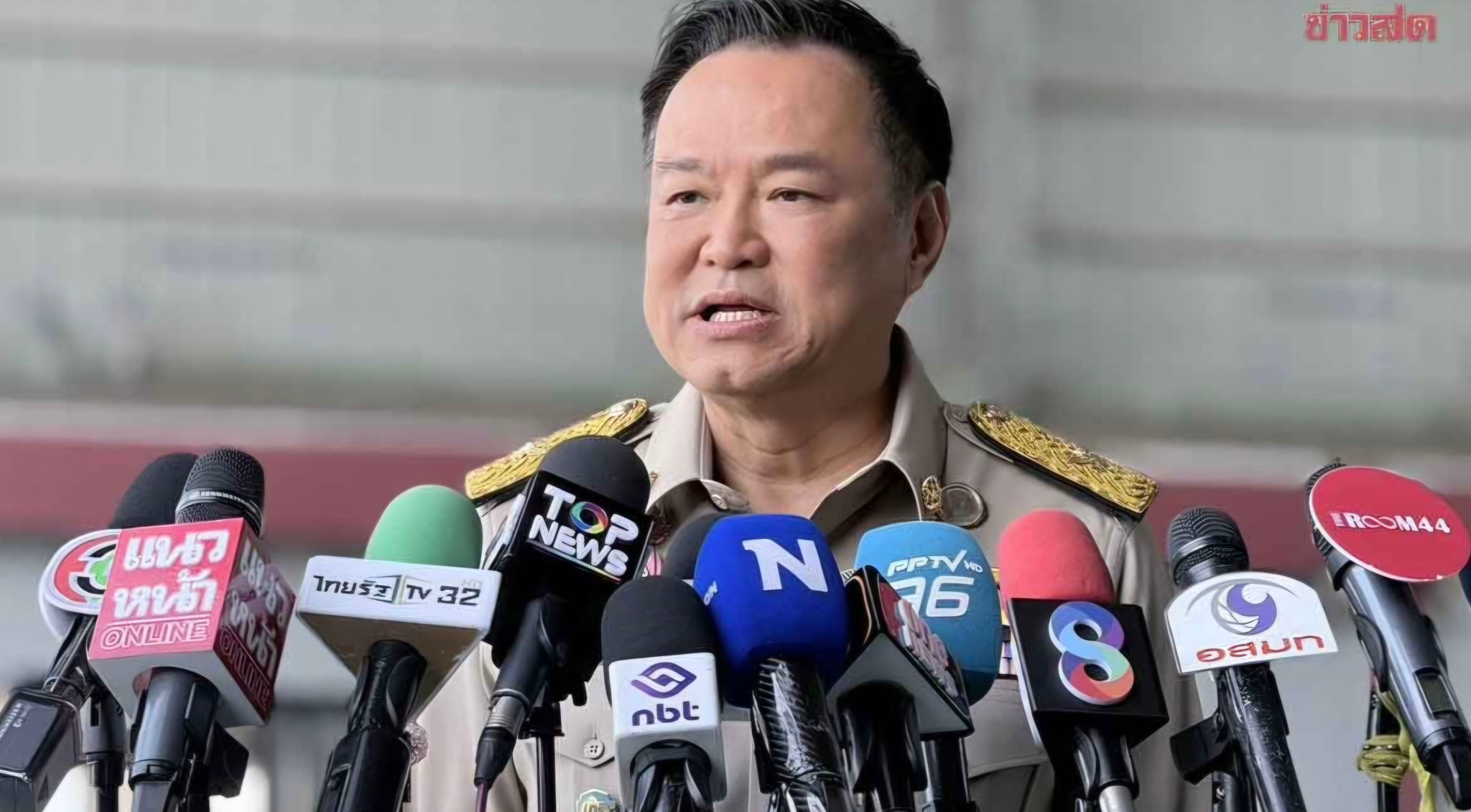
The centerpiece of the new administration’s foreign policy is the systematic dismantling of previous bilateral agreements. In his first weeks, Anutin moved to terminate MOU 44, a 2001 agreement regarding the Overlapping Claims Area (OCA) in the Gulf of Thailand. This move is viewed as a direct challenge to Phnom Penh, as Bangkok seeks to renegotiate maritime boundaries from a position of unilateral strength.
On the terrestrial front, the “No Retreat” policy has manifested in physical infrastructure. The Royal Thai Army has begun staging materials for a permanent border fence in the Emerald Triangle, a move Anutin claims is necessary to “sanitize” the zone from insurgents and illegal activity. This “border hardening” has effectively turned the December ceasefire into a cold peace.
The Humanitarian and Economic Friction
The human cost of this political shift remains visible. While the majority of displaced persons have returned to their villages, nearly 47,000 Cambodians remain in temporary shelters, unable to cross back into “hardened” zones now fortified with Thai minefields and drone surveillance.
Economically, the stakes are rising. As global oil prices surge toward $100 per barrel due to Middle East instability, the Anutin government has issued emergency decrees restricting fuel exports. This energy protectionism, combined with the stalled Southern Economic Corridor trade, is placing immense pressure on the Cambodian economy, which relies heavily on cross-border logistics.
The Death of “Personal Diplomacy”
Analysts note that the biggest casualty of the election is the “backchannel” diplomacy that once defined the relationship. With the Shinawatra family’s influence marginalized, the personal ties between the Thaksin and Hun families no longer serve as a safety valve. Instead, the relationship has become strictly state-centric, driven by a Thai Cabinet that now controls the “Sovereignty & Economy” ministries—including Defense and Foreign Affairs.
As Cambodia appeals to ASEAN and international observers for mediation, the Anutin administration remains steadfast. For Bangkok, the border is no longer just a line on a map; it is the cornerstone of a new nationalist mandate that refuses to blink.

Leave a Reply