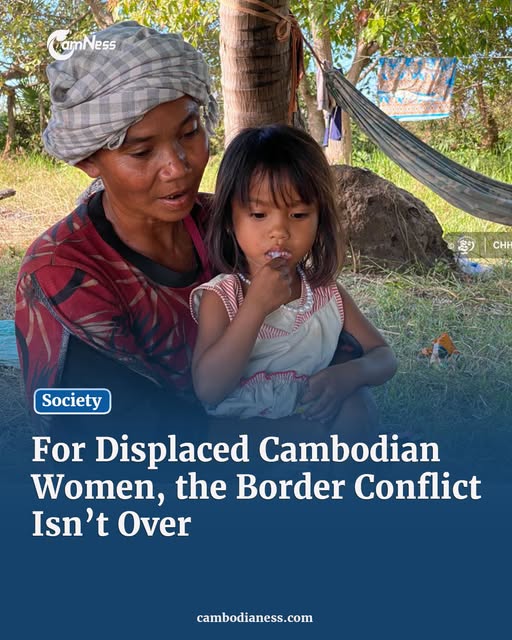

The regional landscape in March 2026 is defined by an intersection of global volatility and localized friction. The Association of Southeast Asian Nations (ASEAN) finds itself navigating a “dual shock”—an external energy and supply chain crisis triggered by the February 28 attacks involving the U.S., Israel, and Iran, coupled with an internal erosion of trust as the Cambodia-Thailand border dispute shifts from a territorial disagreement to a complex hybrid conflict. As the Philippines assumes the 2026 Chairmanship, the bloc is forced to reconcile its doctrine of non-interference with the reality that internal fractures are being exploited by global powers seeking regional footholds.
The Macro Crisis: Contagion from the Middle East
The escalation of the conflict between the United States, Israel, and the Islamic Republic of Iran has sent immediate shockwaves through Southeast Asian markets. With the Strait of Hormuz effectively disrupted, the region’s heavy reliance on Middle Eastern energy has turned into a strategic liability. Brent crude’s surge to nearly $120 per barrel on March 9 has already begun to feed into a “vicious feedback loop” of currency devaluation and soaring consumer inflation across Thailand, the Philippines, and Indonesia.

Dan Steinbock, writing for The Manila Times, notes that this “Iran shock” poses a transformational threat, particularly to commodity-dependent economies. He argues that the combined effect of the Middle East conflict and a global tariff framework could morph into a damaging supply shock at the worst possible historical moment. ASEAN Economic Ministers, meeting in Taguig on March 13, echoed these concerns, emphasizing that the instability hinders the livelihoods of millions and threatens the region’s predictability for investors.
The Micro Fracture: The Cambodia-Thailand Standoff
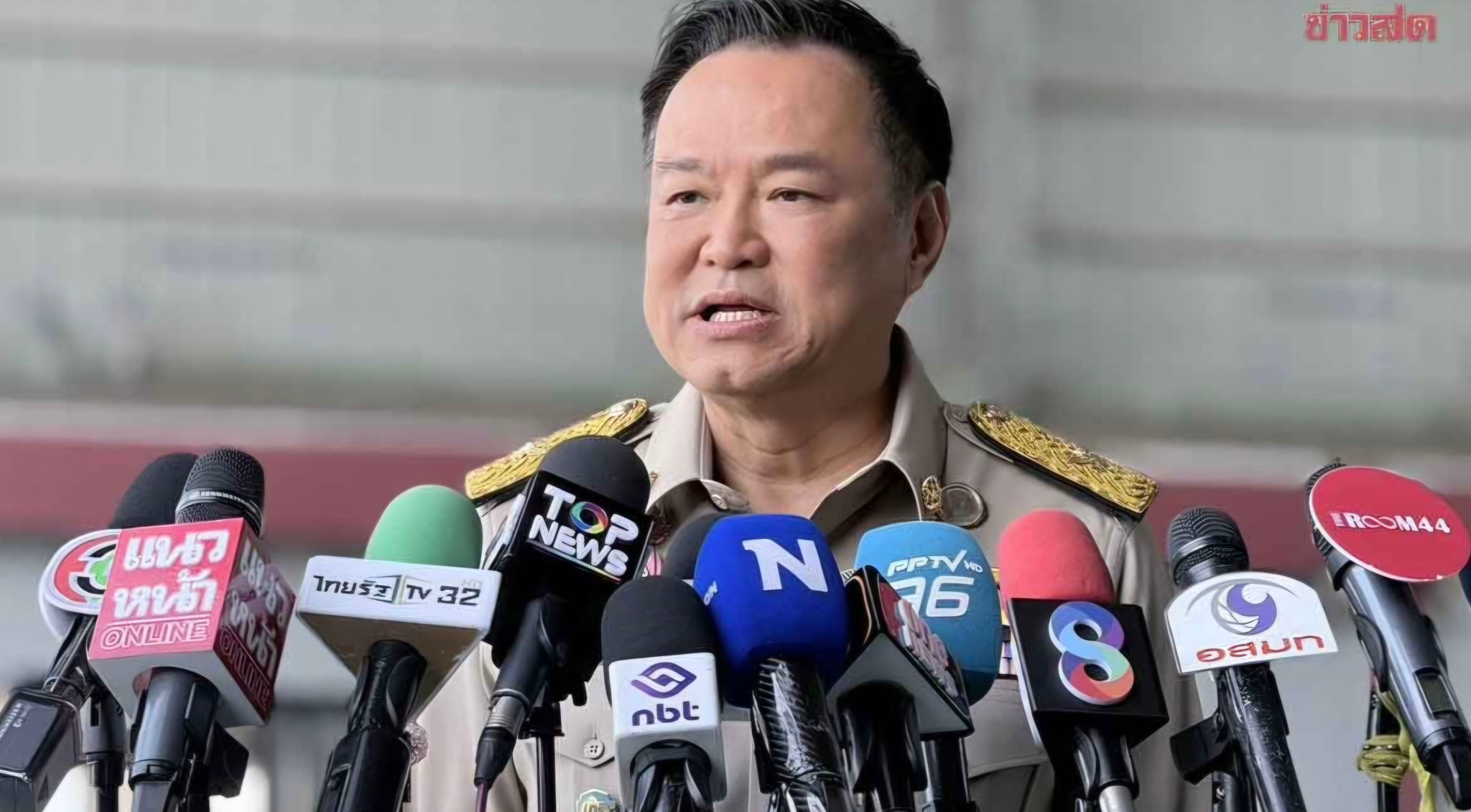
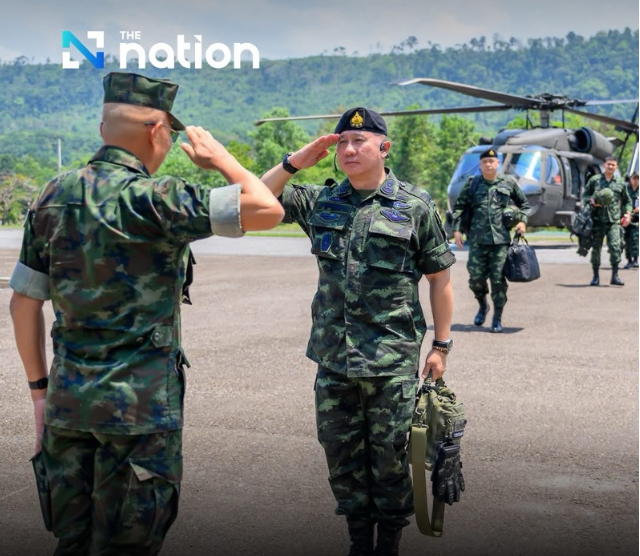
While global eyes are on the Middle East, the localized tension between Cambodia and Thailand serves as a sobering reminder of ASEAN’s internal fragility. The 745 Hill area in Ubon Ratchathani has recently seen significant military deployments, with nearly 10,000 soldiers stationed as both nations engage in “narrative warfare.” Thailand has increasingly framed its border operations as a war against the “scam army”, linking territorial sovereignty to the global crackdown on cybercrime syndicates—a move that effectively shifts the diplomatic discourse to a realm where Cambodia faces heightened international scrutiny.
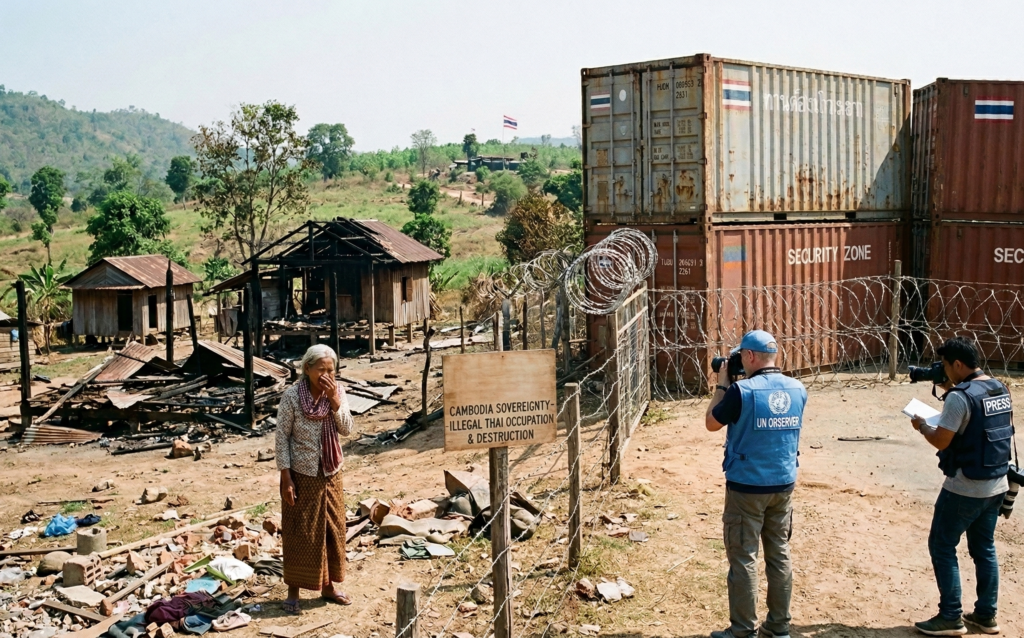
Aisha Rasyidila Kusumasomantri of ISI Indonesia recently highlighted at the Raisina Dialogue 2026 that ASEAN’s attempts at mediation have largely failed to create a sustainable peace mechanism. The recurring flare-ups, despite ceasefires signed as recently as December 2025, suggest that the “ASEAN Way” of consensus-based diplomacy is struggling to address conflicts that now span both physical and digital battlefields. The weaponization of cultural heritage and the use of social media to fuel nationalism have created a “strategic gap” that conventional diplomacy has yet to bridge.
The Strategic Dilemma: Ambiguity vs. Action
The future of the region hinges on whether ASEAN can maintain its “strategic ambiguity” or if it will be forced into a decisive alignment. As the U.S. shifts its military focus back to the Middle East, regional players are left wondering about the long-term reliability of the “pivot to Asia.” This power vacuum invites further competition between external actors, with some analysts warning that member states may increasingly turn to outside powers like China or the U.S. for security, further undermining ASEAN Centrality.
To thrive, the bloc must evolve from a manager of turbulence to a shaper of regional leadership. This involves accelerating the ASEAN Power Grid to ensure energy resilience and finalizing the Digital Economy Framework Agreement (DEFA) to combat the cyber-instability that currently fuels bilateral tensions. Without these structural reforms, the “opportunity zone” of Southeast Asia risks becoming a “frontline confrontation region” where localized disputes like the Cambodia-Thailand border become proxies for broader geopolitical struggles.