
The fragile peace established between Cambodia and Thailand in late 2025 is currently facing its most severe test to date, as new reports of territorial encroachment and military posturing suggest a high probability of a third armed confrontation. Despite a ceasefire that came into effect on December 27, 2025—an agreement notably witnessed by international figures including Donald Trump and Anwar Ibrahim—the Ministry of Interior of the Royal Government of Cambodia has documented a series of actions by the Thai side that directly contradict the Joint Statement of the 3rd Special General Border Committee (GBC). These documented “acts of bad faith” have not only stalled the humanitarian recovery in the region but have also prompted a direct warning from Thai Army intelligence regarding the imminent risk of renewed kinetic warfare.
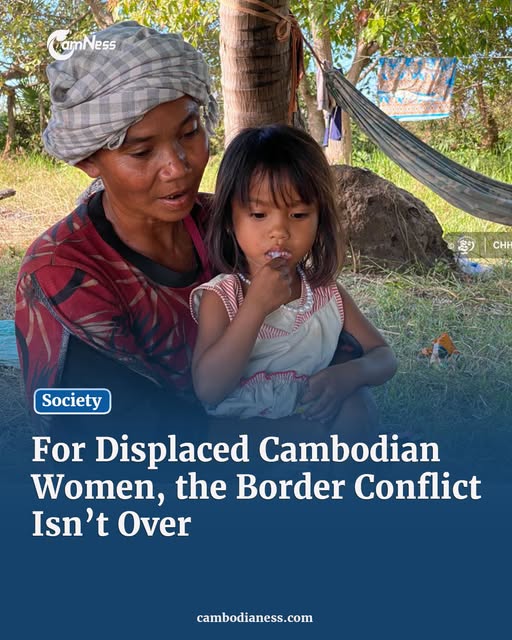
The primary driver toward a potential third clash is the ongoing occupation and destruction of Cambodian civilian infrastructure by Thai forces. While the Cambodian government has successfully facilitated the return of approximately 600,000 displaced persons—representing about 93% of the total displaced population—there remain 46,394 individuals, including over 15,000 children, who are physically barred from returning to their homes. These civilians are currently residing in various camps because their original properties remain occupied by the Thai military. This physical encroachment is viewed by Phnom Penh as a direct violation of sovereignty that occurred after the ceasefire was signed, creating a volatile environment where any further tactical advancement by Thai units could serve as the spark for a full-scale military response.
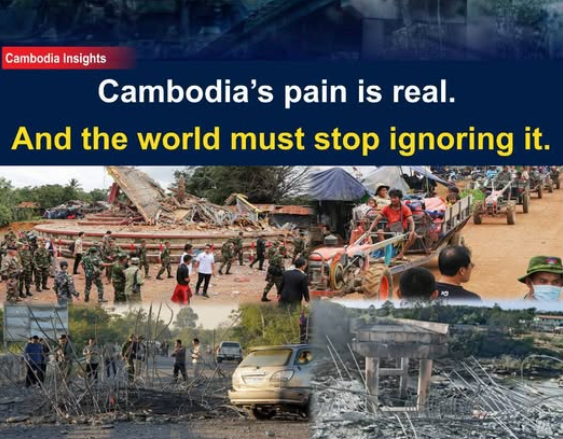
The impact of these Thai actions is most acutely felt in the continued suspension of essential public services across the border provinces. Currently, 42 schools and 20 hospitals or health centers remain closed in Oddar Meanchey, Banteay Meanchey, and Preah Vihear provinces due to the proximity of Thai forces and the resulting security risks. In Preah Vihear alone, 29 schools and 14 health centers are paralyzed, leaving thousands of Cambodian citizens without access to education or medical care. By maintaining a military presence that prevents the normalization of civilian life, the Thai side is accused of using civilian infrastructure as a strategic leverage point, a maneuver that significantly increases the likelihood of a third clash as Cambodian forces face mounting pressure to secure these vital installations for their populace.
Furthermore, the Royal Government of Cambodia has moved to internationalize the dispute by inviting representatives from friendly countries and international organizations to conduct on-site visits to the affected areas. These visits are intended to provide transparent evidence of Thai encroachment and the dire living conditions of displaced persons. Cambodia’s insistence on a peaceful settlement through the “full and faithful implementation of existing agreements” stands in stark contrast to the aggressive “acts of bad faith” documented at the border. As the Thai Army intelligence chief formally warns of a possible third clash, it is clear that the path toward de-escalation requires an immediate cessation of Thai territorial advances and a full withdrawal from occupied civilian zones to prevent a return to active, high-intensity conflict.
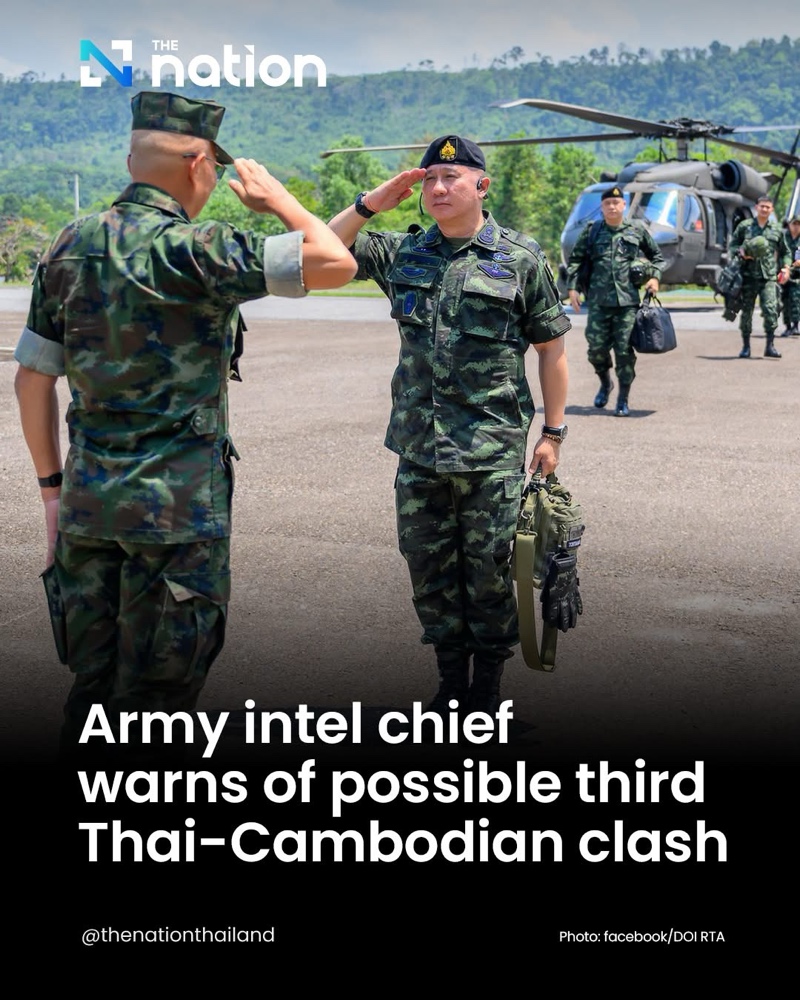
The escalating rhetoric from Thai Army intelligence regarding a “possible third Thai-Cambodian clash” is not merely a neutral warning but a reflection of Thailand’s own provocative and unilateral actions along the shared border. If a third kinetic engagement occurs, it will be the direct consequence of a deliberate strategy of territorial “hardening” and the systematic violation of the December 2025 ceasefire. While Cambodia has remained in a posture of “serene vigilance,” the Thai side has engaged in a series of activities that make a return to war nearly inevitable.
Continued Occupation of Civilian Infrastructure
The most egregious argument for Thai culpability lies in the ongoing military occupation of Cambodian schools, hospitals, and private homes. Despite the cessation of active combat, 46,394 Cambodian civilians remain displaced precisely because Thai forces refuse to withdraw from occupied structures in the provinces of Oddar Meanchey, Banteay Meanchey, and Preah Vihear. In Preah Vihear alone, 29 schools and 14 health centers remain paralyzed under the shadow of Thai military presence. This refusal to return civilian infrastructure to its rightful owners constitutes a permanent state of aggression that forces Cambodia into a position where military reclamation may become the only viable option for restoring public services.
Violation of Neutral Zones and “Bad Faith” Maneuvers
Thailand has been documented undertaking actions that flatly contradict the Joint Statement of the 3rd Special General Border Committee (GBC). These “acts of bad faith” include the placement of physical barriers, such as shipping containers and barbed wire, within “no-man’s land” and areas where sovereignty is still being negotiated. By physically altering the landscape of disputed zones after a ceasefire was signed, Thailand is attempting to create a fait accompli on the ground. Such tactical encroachments are classic precursors to a third clash, as they represent a slow-motion invasion that ignores the international mediation witnessed by global leaders like Donald Trump and Anwar Ibrahim.
The Strategic Use of “Intelligence Warnings” as Pretexts
The recent warnings from the Thai Army intelligence chief serve as a psychological operation to normalize the idea of a third clash in the eyes of the international community. By framing the conflict as “possible” or “likely,” Thailand is attempting to shift the blame to “uncertainty” rather than its own specific policy of “No Retreat”. This rhetoric, combined with the deployment of advanced weaponry and drone surveillance over Cambodian territory, suggests that Thailand is actively searching for a pretext to finalize its territorial claims through force. The “bad faith” is evident: Thailand is signaling for peace in Vientiane while simultaneously digging trenches in Preah Vihear.
Economic and Diplomatic Coercion
Finally, Thailand’s domestic policies—such as the restriction of fuel exports and the push to terminate MOU 44—are designed to weaken Cambodia’s resolve. By creating an environment of economic and energy insecurity, Thailand is attempting to force Cambodia into a submissive diplomatic position. When these coercive measures fail to achieve their goals, the nationalist mandate of the Anutin administration typically defaults to military escalation. Therefore, any third clash would be the final stage of a Thai strategy that began with “bad faith” diplomacy and ended with active territorial encroachment.
Leave a Reply