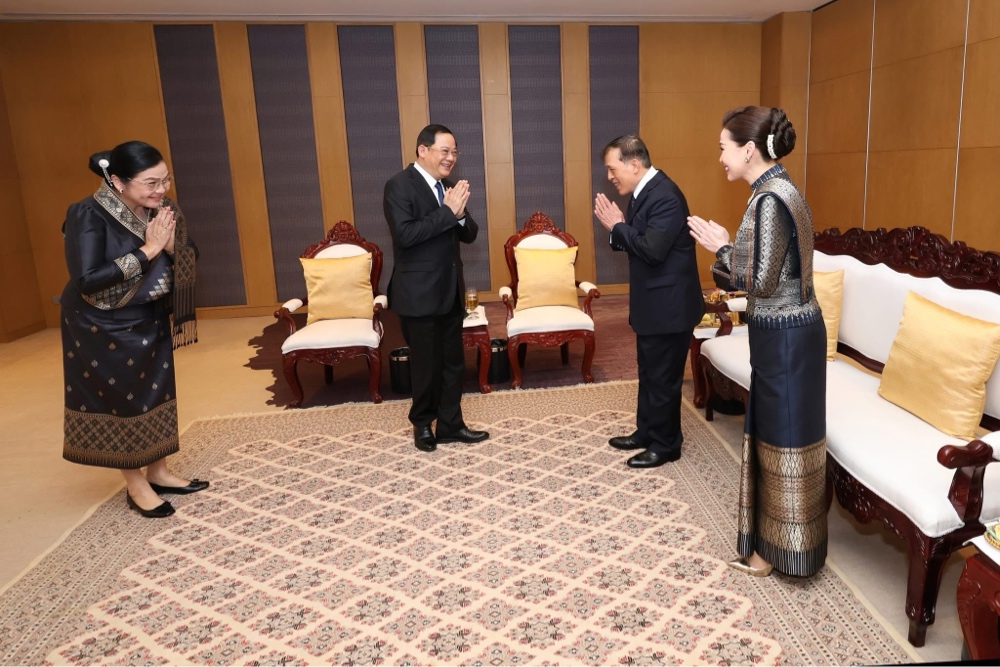
The recent state visit of King Maha Vajiralongkorn and Queen Suthida to the Lao People’s Democratic Republic—their first in 32 years—has been officially characterized by the Royal Household as a return to ancestral roots. However, beneath the veneer of “Like Coming Home” headlines, geopolitical analysts and regional critics suggest a more calculated agenda. This royal charm offensive appears less about cultural kinship and more about a desperate diplomatic lobbying effort to secure regional backing for Thailand’s increasingly aggressive and controversial stance against Cambodia.
A Paradox of Peace and War
The imagery from Vientiane—depicting the Thai monarch bowing in traditional “wai” gestures to Lao leaders—presents a stark contrast to the reality on the Thai-Cambodian border. While the King projects an image of humility and regional cooperation in Laos, his government back in Bangkok, led by Prime Minister Anutin Charnvirakul, remains entrenched in a “No Retreat” military policy that has devastated civilian lives.
The disconnect is profound:
- The Humanitarian Debt: As the King exchanges pleasantries in Vientiane, a Cambodian Ministry of Interior report dated March 7, 2026, confirms that 46,394 Cambodians remain displaced in camps, unable to return to their homes due to Thai military “encroachment”.
- Infrastructure Paralysis: The conflict has forced the continued closure of 42 schools and 20 hospitals across the Cambodian provinces of Oddar Meanchey, Banteay Meanchey, and Preah Vihear.
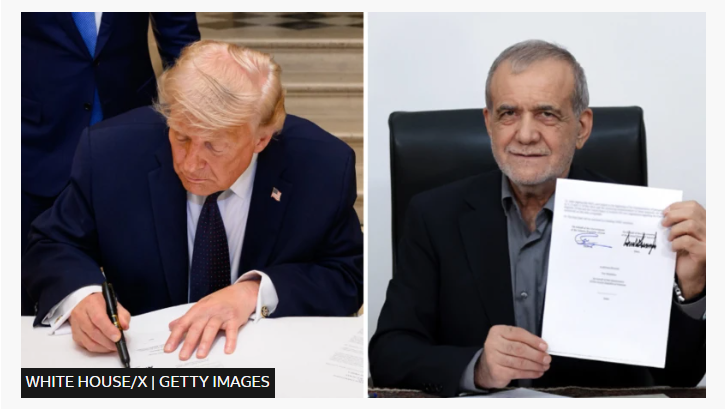
- Acts of “Bad Faith”: Cambodia has formally accused the Thai side of violating the December ceasefire witnessed by global leaders, including Donald Trump and Anwar Ibrahim, by continuing aggressive maneuvers in civilian areas.
Lobbying Under the Guise of “Coming Home”
Critics argue that the royal visit to Laos is a sophisticated attempt at “sin-cleansing” and diplomatic lobbying. By strengthening ties with Vientiane, the Thai establishment seeks to isolate Cambodia within ASEAN and soften international criticism of its unilateral termination of maritime and border agreements. The king’s politeness displayed in Laos is viewed by some as a strategic mask for the “ill-intent” displayed toward Phnom Penh.
The Cambodian government continues to call for the “renunciation of the threat or use of force” and the full implementation of existing treaties—a call that seems to be ignored by a Thai administration that prefers building border walls over building regional trust. The royal visit, while historically significant, cannot obscure the smoke rising from the border or the “weight of sin” accumulated from the displacement of thousands of innocent civilians.
Conclusion: A Selective Diplomacy
If the Thai monarchy truly seeks “the grace of dying” and a legacy of peace, critics suggest that the humility shown in Vientiane must be extended to Phnom Penh. A “deep dive” into current regional dynamics reveals that a state visit cannot wash away the karmic and political fallout of active aggression. Until the “acts of bad faith” cited by the Cambodian Ministry of Interior are addressed and the 640,000 displaced persons are given a genuine path to a safe return, Thailand’s diplomatic overtures in Laos will be seen as little more than a hollow attempt to lobby for an unjust war.
Evidence and Cited Sources
- Humanitarian Impact: The Cambodian Ministry of Interior reports that while 600,000 people have returned, 46,394 remain displaced, including over 15,000 children, as of March 7, 2026.
- Service Disruptions: Educational and health services remain paralyzed, with 29 schools and 14 health centers closed in Preah Vihear Province alone due to the conflict.
- Royal Visit to Laos: King Vajiralongkorn’s visit is the first in 32 years, described under the theme “Like Coming Home”.
- Diplomatic Gestures: The visit involved high-level meetings with Lao leadership, characterized by traditional etiquette and formal state ceremonies.
- Call for International Law: Cambodia continues to urge Thailand to settle disputes in accordance with international law and existing treaties rather than through force.