The “Scambodia” controversy is a classic example of what happens when global media power meets regional geopolitical tension. It is a story of headlines, high-stakes alliances, and the collateral damage left in the wake of a catchy pun.
A single word—“Scambodia”—ignited a firestorm across the Mekong. When The Wall Street Journal (WSJ) published its investigation into the “gold-hued skyscrapers” of Phnom Penh, it didn’t just report on crime; it rebranded a nation. For the residents of Cambodia, this wasn’t just a critique of policy—it was a linguistic assault on their national dignity.
The Detective’s Discovery: A 60-Year Friendship
The narrative took a dramatic turn when figures like Dave Leduc—a former fighter turned local advocate—began digging into the “why” behind the headline. The trail led not to a secret room, but to a very public, long-standing business marriage.
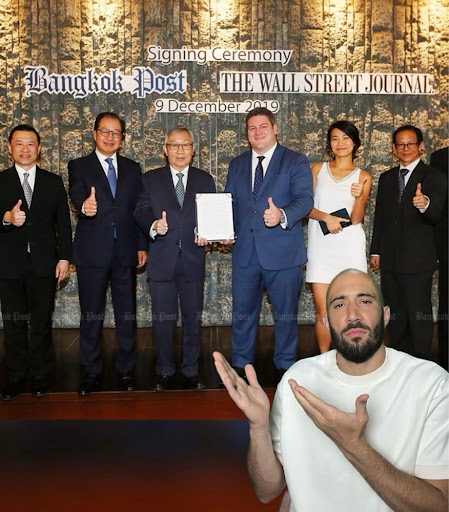
For nearly 60 years, the WSJ has maintained a deep institutional partnership with Thailand’s media ecosystem, specifically the Bangkok Post. In the world of high-level journalism, these partnerships often involve shared distribution, printing facilities (like the old Asian Wall Street Journal), and content-sharing agreements.
From a Cambodian viewpoint, this isn’t just a business deal; it’s a conflict of interest. When a global giant is “best friends” with a neighbor—one with whom Cambodia has historical border tensions and economic rivalries—the neutrality of that giant’s reporting becomes suspect. The “Scambodia” label felt less like objective journalism and more like a regional “hit piece” filtered through a Thai-centric lens.
The Domino Effect: How a Label Hurts
The impact of this labeling isn’t just a bruised ego; it’s a calculated blow to a developing economy.
- The Tourism Chill: When potential travelers in New York or London see the word “Scambodia” in a top-tier financial paper, they don’t look for the nuances of specific crime syndicates. They cancel their trips to Angkor Wat.
- The Investment Barrier: Global investors are skittish. Branding a country by its black-market activities creates a “high-risk” stigma that makes legitimate banking and foreign direct investment (FDI) far more difficult for honest Cambodian entrepreneurs.
- The Social Cost: It devalues the identity of millions of Cambodians who are themselves the primary victims of these international crime syndicates.
“To the WSJ, it was a clever headline to drive clicks. To the Cambodian student or business owner abroad, it is a new badge of shame they didn’t earn.”
The Moral of the Story: Precision vs. Pejoratives
The “conspiracy,” if one exists, isn’t necessarily a room full of people plotting against Cambodia. It is the more mundane, but equally dangerous, bias of proximity. When a newsroom’s commercial and social ties are rooted in one regional hub (Bangkok), its view of the neighbor (Phnom Penh) is often colored by the gossip and grievances of that hub.
True professional ethics require a surgical approach to reporting. A professional journalist investigates the “cancer” (the scam compounds) without insulting the “body” (the nation). By choosing a derogatory pun over precise reporting, the WSJ prioritized sensationalism over its duty to minimize harm.
The Bottom Line: Cambodia is a nation in transition, fighting a complex, transnational battle against cybercrime. It deserves a global press that acts as a fair judge, not a schoolyard bully with an old friend in the next seat over.