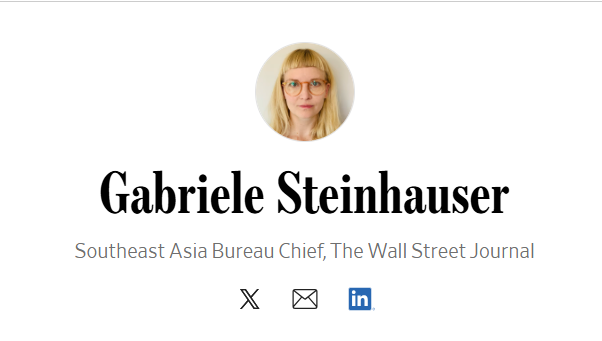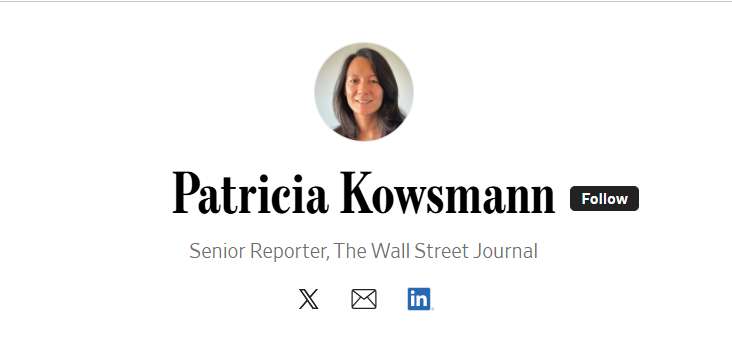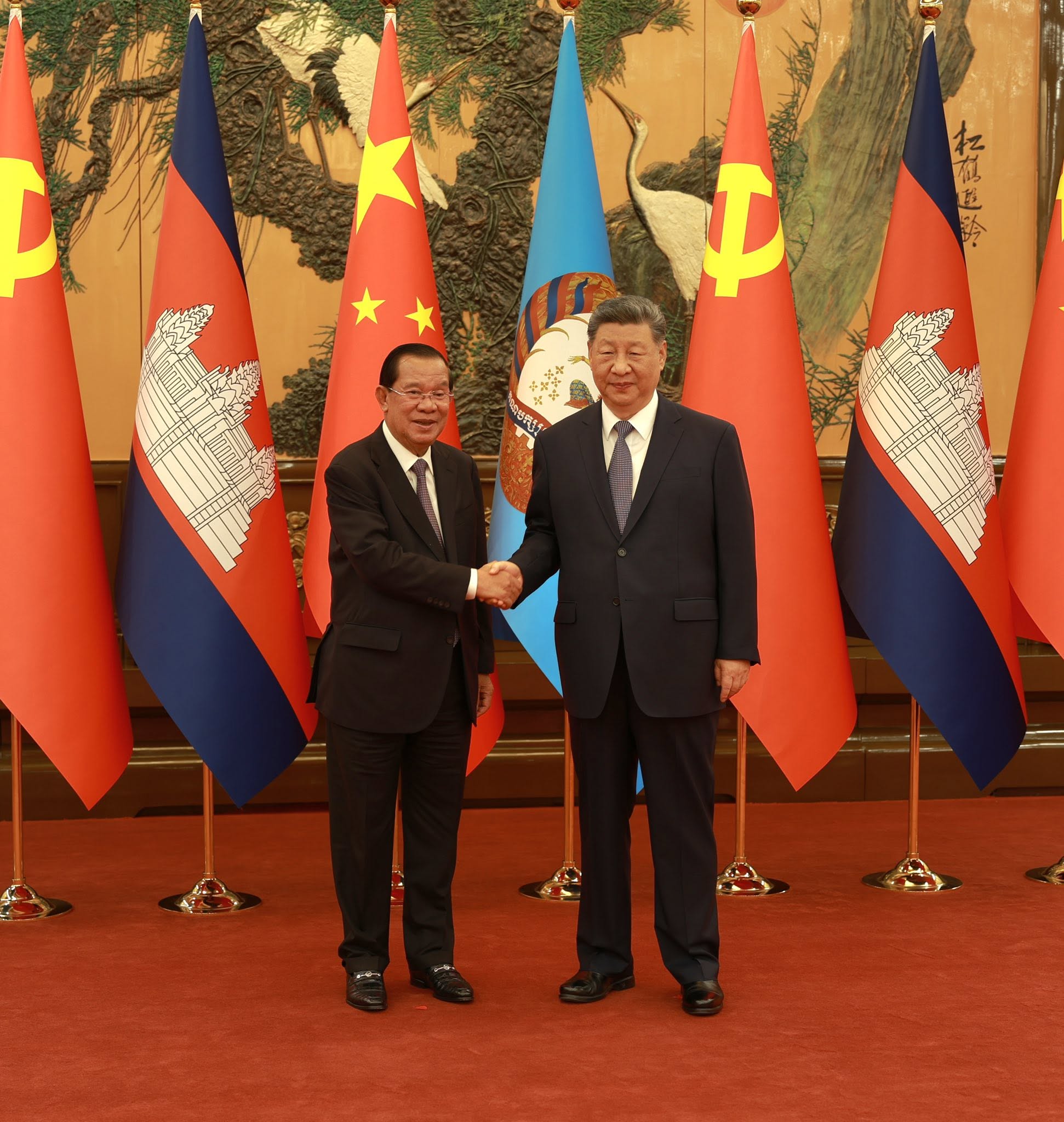

The power of the pen is often celebrated for its ability to expose the truth, but when that pen is used to mock a nation of 17 million people, it ceases to be an instrument of justice and becomes a tool of assault. The recent use of the term “Scambodia” by The Wall Street Journal (WSJ) represents a significant failure in professional ethics—one that demands not just a critique, but a formal correction.
Journalism is governed by a fundamental principle: Minimize Harm. While investigative reporting into transnational crime is essential for regional security, the decision to wrap that reporting in a derogatory portmanteau is a choice that prioritizes “viral” engagement over human dignity.
1. National Stigmatization
By branding an entire country with a label derived from criminal activity, the WSJ has effectively indicted a sovereign state and its people. This is not “clever” wordplay; it is reductive stigmatization. It ignores the millions of hardworking Cambodian citizens, students, and entrepreneurs who have nothing to do with these crime syndicates and are, in many cases, the very victims of the lawlessness the article purports to expose.
2. The Economic Assault
Words in a publication of the WSJ’s stature have real-world financial consequences.
- Tourism: A primary pillar of Cambodia’s economy relies on its reputation as a cultural and historical gem. Labels like “Scambodia” create a “safety narrative” that scares away travelers.
- Investment: Global investors rely on these reports for risk assessment. A derogatory label creates an artificial barrier for legitimate Cambodian businesses seeking international partnerships.
The Question of Impartiality: The 60-Year Connection
A growing concern among observers—highlighted by recent digital “detective work” into web archives—is the long-standing institutional relationship between the WSJ and regional neighbors. For nearly 60 years, the WSJ has maintained deep business and distribution ties with Thailand, including a high-profile partnership with the Bangkok Post.
In the world of ethics, this raises the specter of Proximity Bias. When a global outlet is deeply embedded in the business ecosystem of one nation, it risks viewing that nation’s neighbor through a lens of rivalry or localized gossip. If the WSJ is to maintain its status as an objective global arbiter, it must ensure its headlines are not colored by regional allegiances.
Why a Correction is Necessary
The WSJ’s own standards suggest a commitment to accuracy and fairness. However, accuracy is not just about facts; it is about context and tone. The Inconsistency: The WSJ would rarely, if ever, use similar derogatory puns for Western nations facing internal crises. To do so against a developing nation in Southeast Asia suggests a double standard that borders on neo-colonial arrogance.
- The Violation of Standards: Professional codes (such as those from the Society of Professional Journalists) explicitly warn against stereotyping by geography.
“To expose a crime is the work of a journalist. To insult a nation’s dignity in the process is the work of a provocateur.”
A Call to the Editorial Board
We call upon the editors of The Wall Street Journal to reflect on the impact of their branding. Reporting on the “industrialization of fraud” is a necessary service to the public; labeling a country “Scambodia” is an unnecessary assault on its people.
The WSJ should:
- Remove the derogatory label from its digital headlines and social media metadata.
- Issue a formal apology to the Cambodian people for the use of a term that unfairly characterizes their national identity.
- Commit to a standard of reporting that separates the actions of criminal syndicates from the identity of a sovereign nation.
Cambodia is a country of resilience, history, and aspiration. It deserves to be covered with the same professional rigor and basic human respect afforded to any other nation on earth. It is time for the Wall Street Journal to correct the record and restore its own professional dignity.
Key Takeaways for Global Media
- Precision over Puns: Use specific terminology for criminal acts rather than labeling geographies.
- Contextual Awareness: Recognize the economic and social harm caused by sensationalist headlines in developing markets.
- Ethical Accountability: When a headline crosses the line into national insult, a correction is the only professional path forward.